There’s a moment early in The Punisher: One Last Kill where Frank Castle is trying to be someone else. He’s not loading a mag into a heavy-caliber rifle, not carving tally marks into his skin. He’s sitting in a quiet diner, nursing a cup of coffee that’s gone cold, and he’s listening to an elderly man talk about his grandkids. Jon Bernthal’s eyes, usually burning with a cold, righteous fury, look almost soft. Almost lost. It’s the kind of performance that reminds you why this iteration of the character, first seen in the Marvel Netflix universe, has become a cultural touchstone. Directed by Reinaldo Marcus Green, this 51-minute gut punch of a film - now streaming and generating serious awards buzz - isn’t just another bloody chapter in the Punisher’s saga. It’s a eulogy, a reckoning, and a surprisingly tender meditation on whether a man built for war can ever find peace.
The film opens on a date with the past. It’s been some time since Frank dismantled the criminal empires of New York, and the trail of bodies has finally stopped growing. He’s living rough, a ghost in the periphery of a city that’s trying to heal. His old ally, Curtis Hoyle (Jason R. Moore), has found a semblance of normalcy, running a veterans’ support group that feels like a halfway house for broken souls. Karen Page (Deborah Ann Woll), the one person who ever saw the man beneath the skull, stops by with a folder - always a folder - but this time, it’s different. It’s not intel on a target; it’s a question. She asks him, point-blank, if he’s done. And for the first time, the man who once said he was “always punishing” doesn't have an answer.
Green, whose deft touch with character-driven drama was honed in King Richard and the taut cop thriller Monsters and Men, makes a bold choice here: he slows the violence down to a crawl. The early minutes are devoted to silence, to the creak of a floorboard, to the weight of a silence between two people who have seen too much. Bernthal, no longer just a force of nature, is a man of weary gestures. He’s haunted, but not by ghosts of his family alone; he’s haunted by the horror of his own relevance. What is the Punisher without a war? The script answers this with a clever, devastating twist: he’s a target.
The “unexpected force” that pulls Frank back isn’t a crime lord or a corrupt politician. It’s a kid. Played with a raw, magnetic verve by Colton Hill, this young man is a walking consequence of Frank’s previous crusades. He’s a disciple, a worshipper of the skull, but his methods are messier, more desperate, and far more unhinged. He’s not looking for a mentor - he’s looking for a witness. This dynamic elevates One Last Kill from standard revenge fare into something more akin to a grim father-son tragedy. Frank sees his own trauma reflected in the boy’s eyes, and it terrifies him more than any knife or bullet could.
The supporting cast shines in their limited but crucial screen time. Woll brings a palpable heaviness to Karen, a weariness that suggests she’s been carrying Frank’s cross for the both of them. Moore’s Curtis is the film’s moral compass, and a scene where he confronts Frank in a rain-soaked parking lot carries the weight of a thousand unspoken battles. And then there’s Judith Light as Ma, a mysterious figure tied to the kid’s past. Light is a force of quiet menace, turning a character that could have been a stock matriarch into a chilling portrait of generational vengeance. Her scenes with Bernthal crackle with a static electricity - two old souls who know that pain is the only honest currency.
Action fans shouldn’t worry; the film delivers when it needs to. Green shoots the set pieces with a brutal, clear-eyed precision. There’s a stairwell fight that is a masterclass in claustrophobic choreography, all bone-crunching impacts and muffled screams. But even here, there’s a difference. Frank fights like a wounded bear, slower, less efficient, taking hits he would have dodged a decade ago. It’s a visceral reminder that even the Punisher can’t outrun time. The blood feels earned, not gratuitous - the final act, a grim showdown in a condemned warehouse, plays more like a funeral than a triumph.
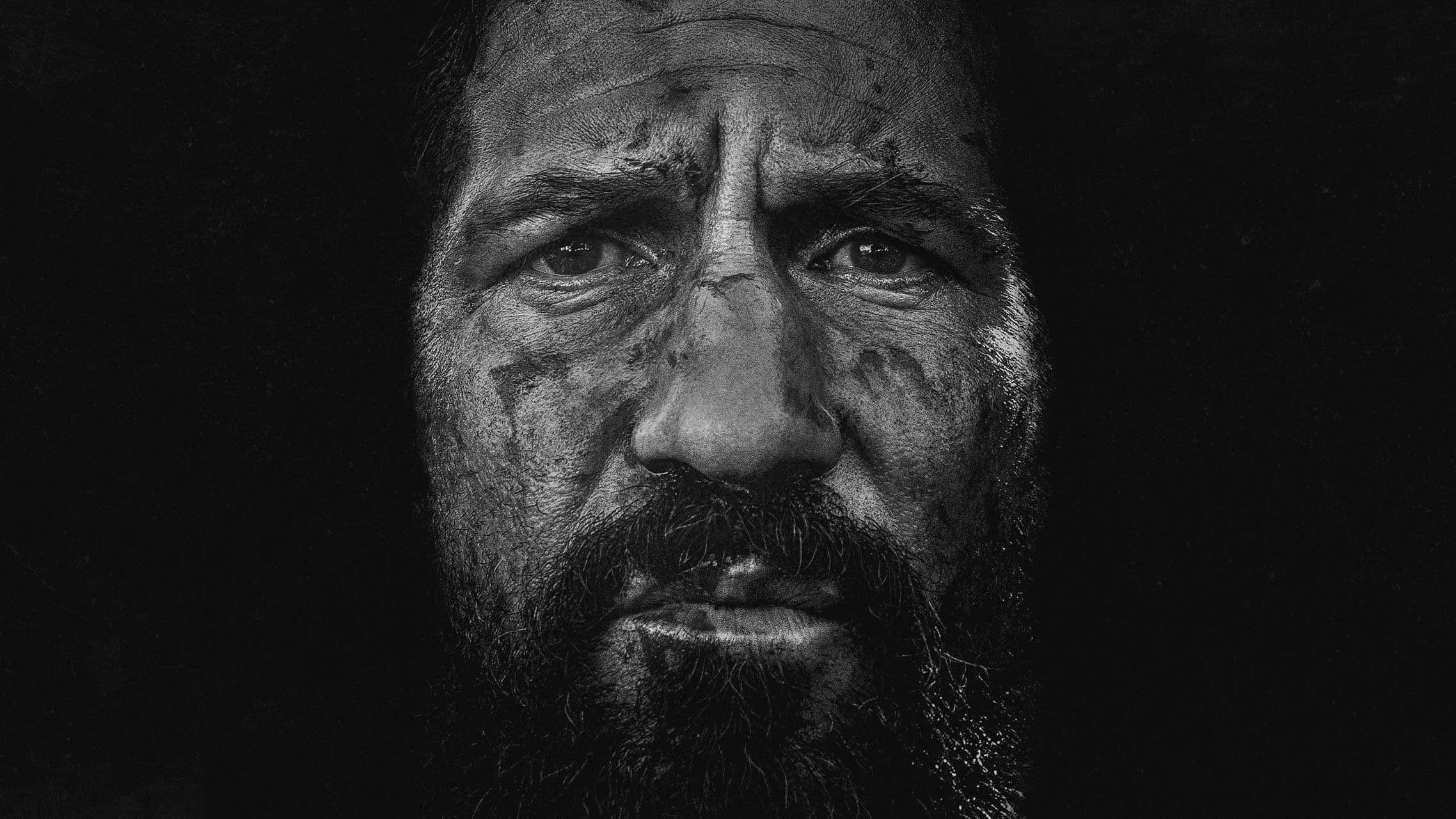
The Punisher: One Last Kill is not a superhero movie; it’s a character study wearing a bulletproof vest. It’s a film about the impossible calculus of violence, about the legacy we leave in the hollowed-out men we inspire. Bernthal’s performance is the best he’s ever given in the role, a portrait of a man who realizes that to kill “one last time” is to admit the war never ends. The final shot, a long, unflinching close-up on Frank’s face as a single tear cuts through the grime, is a devastating piece of cinema. With a TMDb score of 8.3, audiences are clearly connecting with this brutal, elegiac masterwork. It’s a film that doesn’t ask if the Punisher deserves redemption - it asks if he deserves to rest. And the answer, like the man himself, is complicated.