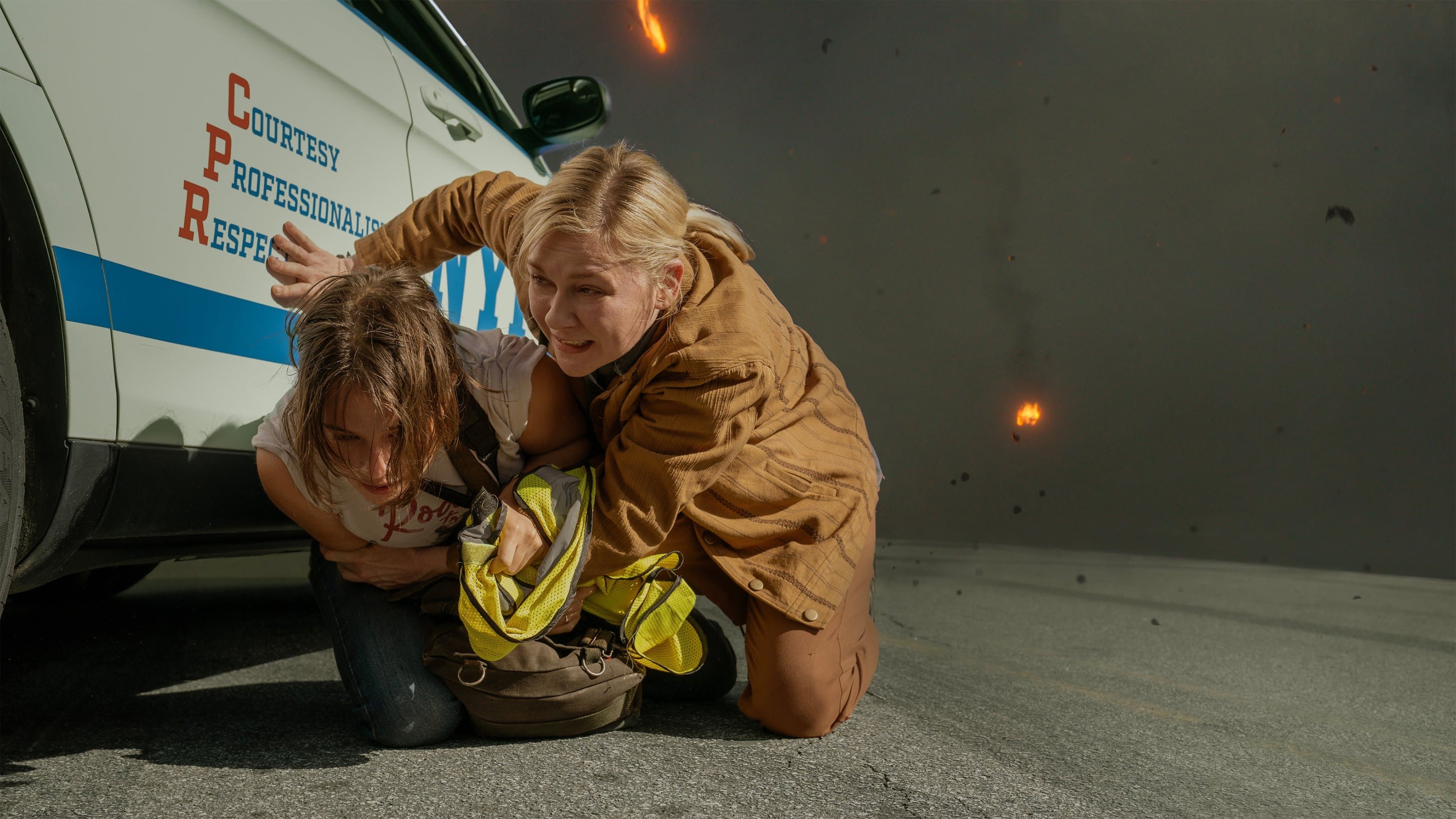
Almost two years after its release, Alex Garland’s Civil War is being revisited by audiences and critics alike - and this time, the conversation has shifted from the film’s harrowing imagery to its political prescience. The renewed attention follows news that Texas has turned blue, a development that has prompted a wave of online commentary arguing that Garland’s dystopian vision deserves a fresh appraisal. “You owe him an apology” has become a rallying cry among the director’s defenders, many of whom feel the film was unfairly dismissed upon its initial release.
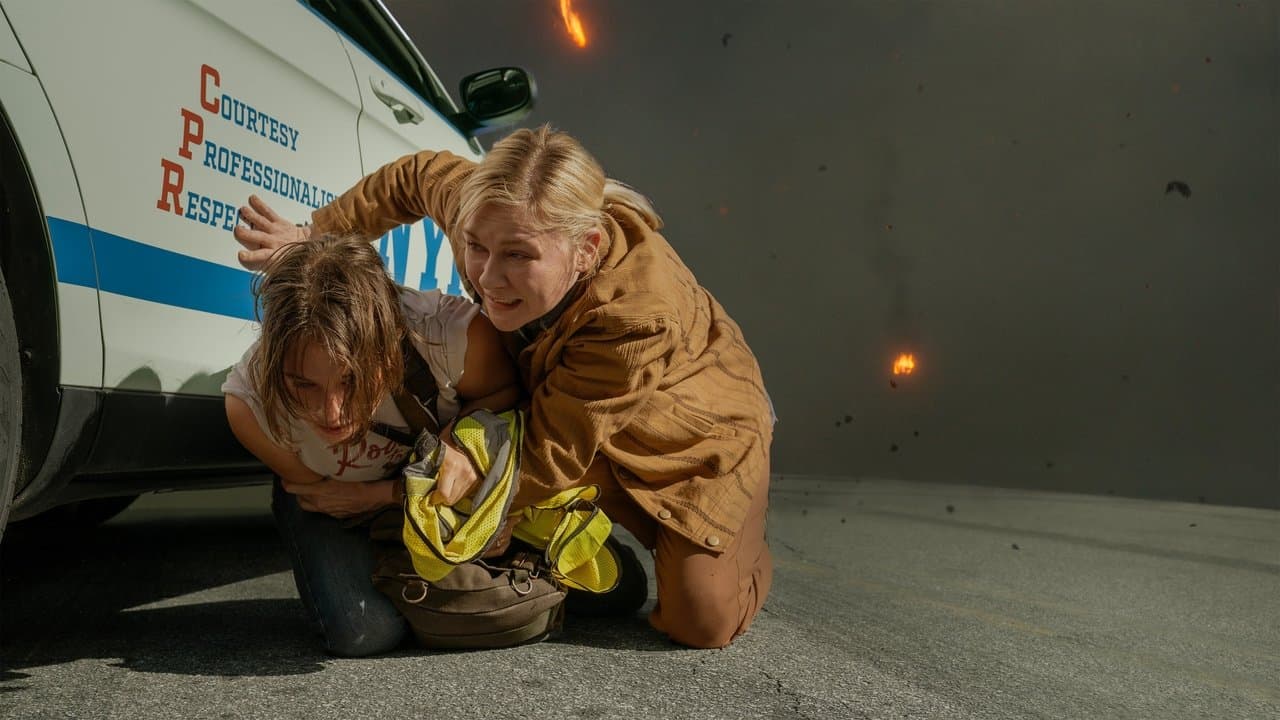
Civil War, which first hit theaters on April 10, 2024, is set in the near future and follows a group of war journalists attempting to survive while reporting the truth as the United States stands on the brink of civil war. The film stars Kirsten Dunst as Lee, Wagner Moura as Joel, Cailee Spaeny as Jessie, Stephen McKinley Henderson as Sammy, Nelson Lee as Tony, Nick Offerman as the President, Jefferson White as Dave, and Evan Lai as Bohai. Garland directed the 109-minute feature, which blends the war, action, and drama genres and was produced within the Hollywood studio system.
At the time of its release, Civil War drew strong notices for its immersive, boots-on-the-ground approach to combat journalism and for Dunst’s lead performance. The film holds a TMDb rating of 6.844 out of 10, reflecting a generally favorable but not unanimous reception. Some viewers and pundits criticized the movie for what they saw as a refusal to take a clear political stance, while others praised it for deliberately avoiding easy partisan messaging in favor of focusing on the journalists caught in the middle of the conflict.
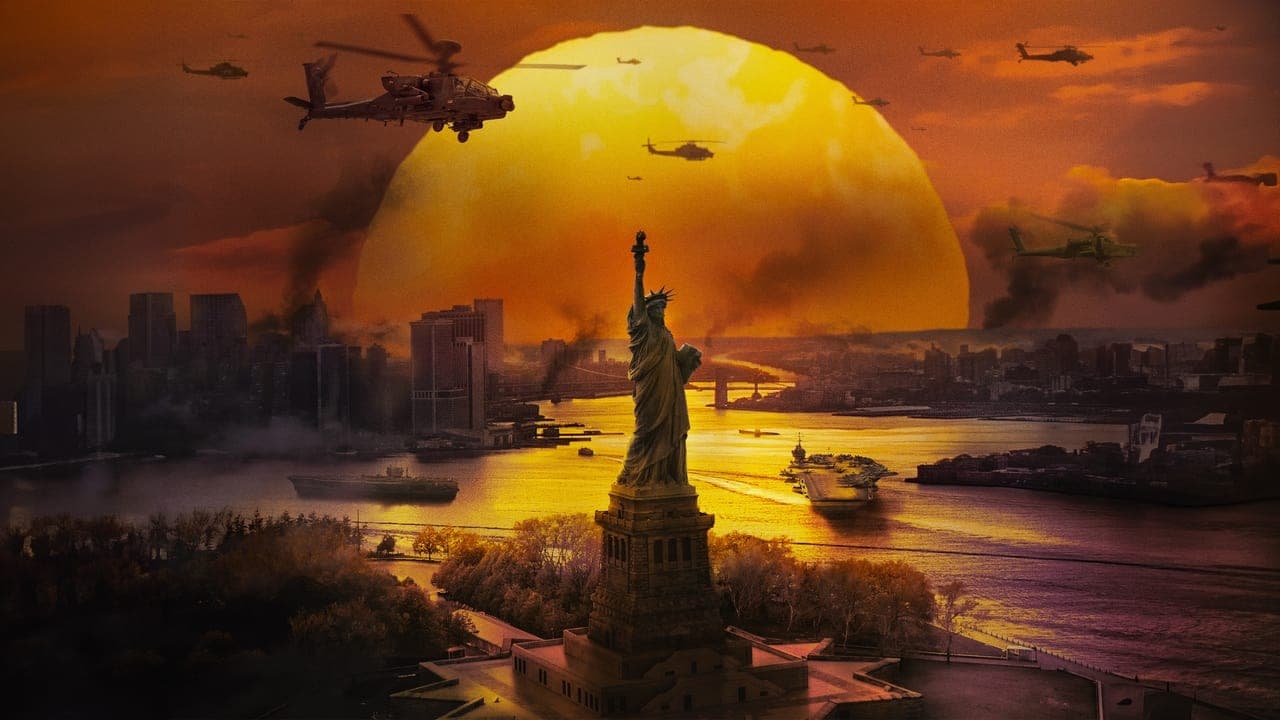
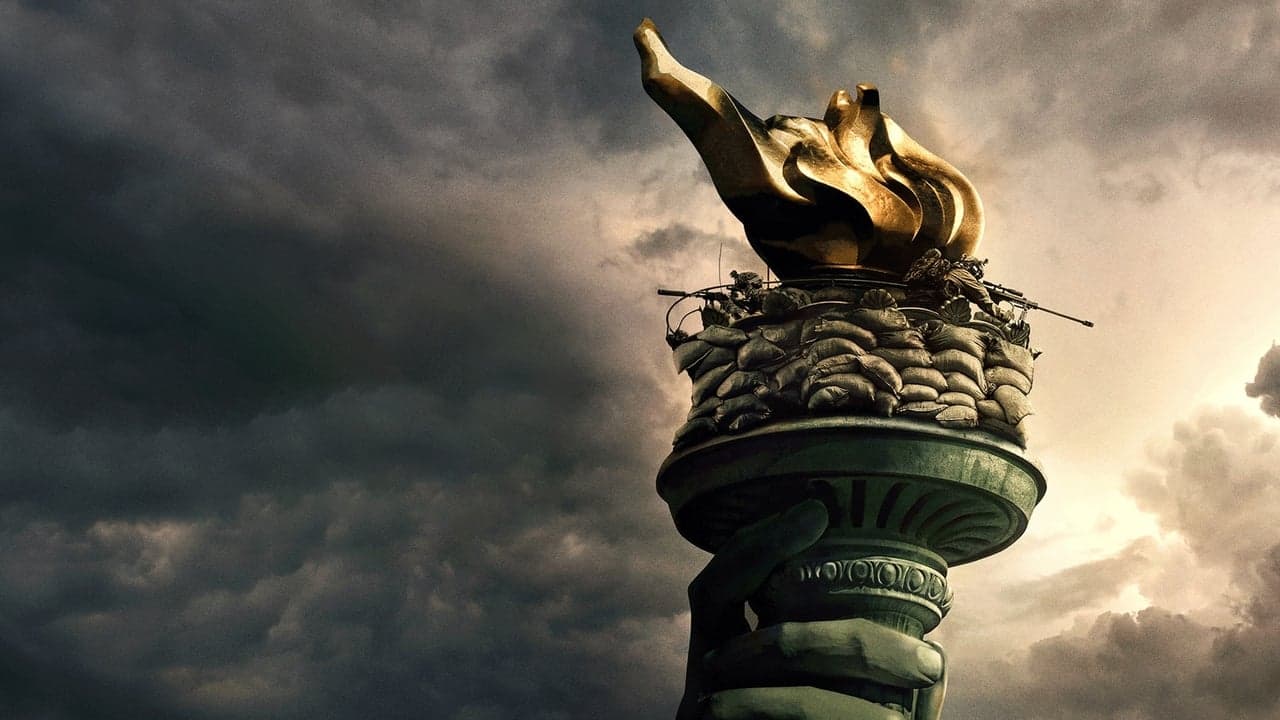
The new wave of enthusiasm appears to be rooted in a sense that recent events have made Garland’s fictional scenario feel less like speculative fiction and more like a warning that arrived ahead of schedule. The shift in Texas’s political alignment has been seized upon by commentators who argue that the film’s depiction of a fractured America was not alarmist but merely early. For these supporters, the director’s decision to depict a country split along lines that once seemed implausible now looks like an act of foresight rather than ambiguity.
A Reappraisal of Garland’s Restraint
Much of the fresh discussion has centered on how Civil War handles its politics. Rather than assigning clear ideological labels to the factions at war, Garland keeps the camera close to his journalists, treating the conflict as a subject to be documented rather than a debate to be won. That choice frustrated some initial viewers, but the film’s defenders now argue that this restraint is precisely what makes it endure. By refusing to tell audiences whom to root for, the movie forces them to sit with the uncomfortable reality of a nation at war with itself.
The renewed praise also reflects a broader reassessment of Garland’s body of work. The director, known for films that blend genre thrills with philosophical inquiry, has long been interested in how people behave under extreme pressure. Civil War fits that pattern, using the structure of a road movie to examine professional ethics, loyalty, and the cost of bearing witness. For viewers returning to the film now, those themes appear to carry more weight than they did in the spring of 2024.
What the Second Look Means for the Film’s Legacy
Whether the current wave of enthusiasm will translate into a lasting critical consensus remains to be seen. The film’s TMDb rating has held steady in the months since release, suggesting that the broader audience response has not dramatically changed. Still, the “you owe him an apology” refrain speaks to something beyond a simple reevaluation of a single movie. It suggests that audiences are increasingly willing to credit filmmakers who imagine uncomfortable futures, even when those visions are difficult to watch.
For USA Film News readers, the takeaway is less about whether Civil War was right or wrong in its predictions than about how quickly a work of fiction can migrate from the realm of speculative drama into something resembling commentary. Garland’s film remains available to stream and on physical media, and its runtime of 109 minutes makes it an easy revisit for anyone curious about what the renewed conversation is about. Whether the apology campaign gains further momentum or fades, the second look at Civil War has already succeeded in one respect: it has gotten people talking about the film again, and about the country it imagined.
Source: The Hollywood Reporter