The desert is a place of profound silence, but for the Cannon family, the silence that followed their daughter’s disappearance was a deafening roar. When Lee Cronin’s The Mummy slithered into theaters on April 15, 2026, it did not arrive with the bombastic crash of a summer blockbuster. Instead, it crept in on hands and knees, a 133-minute masterclass in dread that has since crawled its way into the collective unconscious of horror audiences. The numbers speak for themselves - a staggering 7.895 on TMDb - but statistics fail to capture the film’s true, unsettling power.
Cronin, the Irish auteur who redefined cabin-in-the-woods terror with The Hole in the Ground and then weaponized nostalgia in Evil Dead Rise, has here traded decaying cabins for the unforgiving windswept expanses of North Africa. The premise is deceptively simple, almost mythic in its cruelty. A journalist’s daughter vanishes into the sand without a trace. Eight years later, she is returned. The reunion, however, is not a miracle; it is an infection.
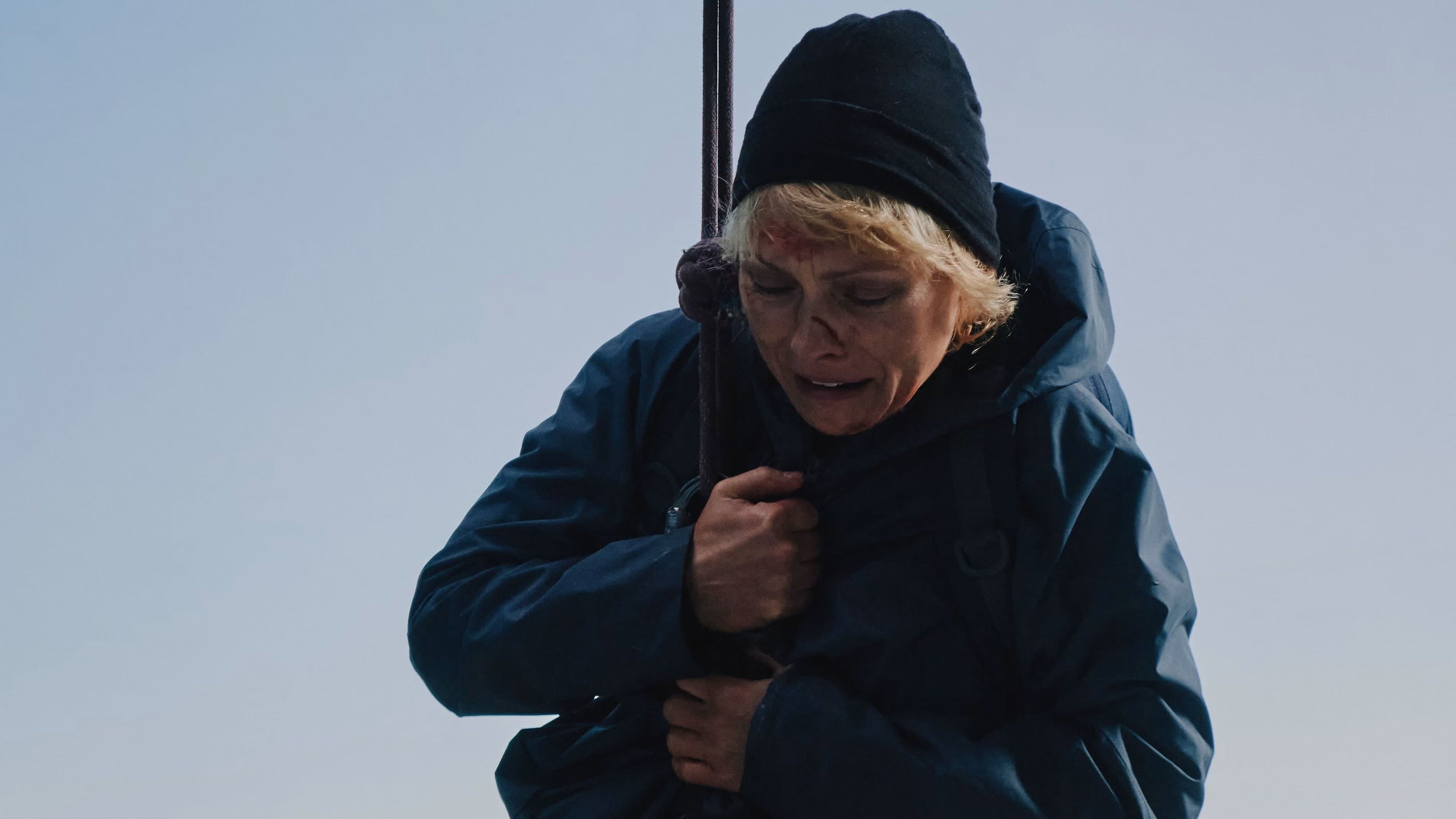
The film opens on the fractured remains of the Cannon household, a domestic space held together by grief and blame. Jack Reynor delivers a career-best performance as Charlie Cannon, a man whose professional instinct to uncover the truth has been gutted by the personal mystery he failed to solve. Alongside him, Laia Costa’s Larissa is a study in brittle, furious hope. They are not merely mourning; they are haunting their own home. When the doorbell rings and Katie (Natalie Grace) stands on the porch - older, dust-covered, strangely serene - the film pivots from a tragedy to a contagion.
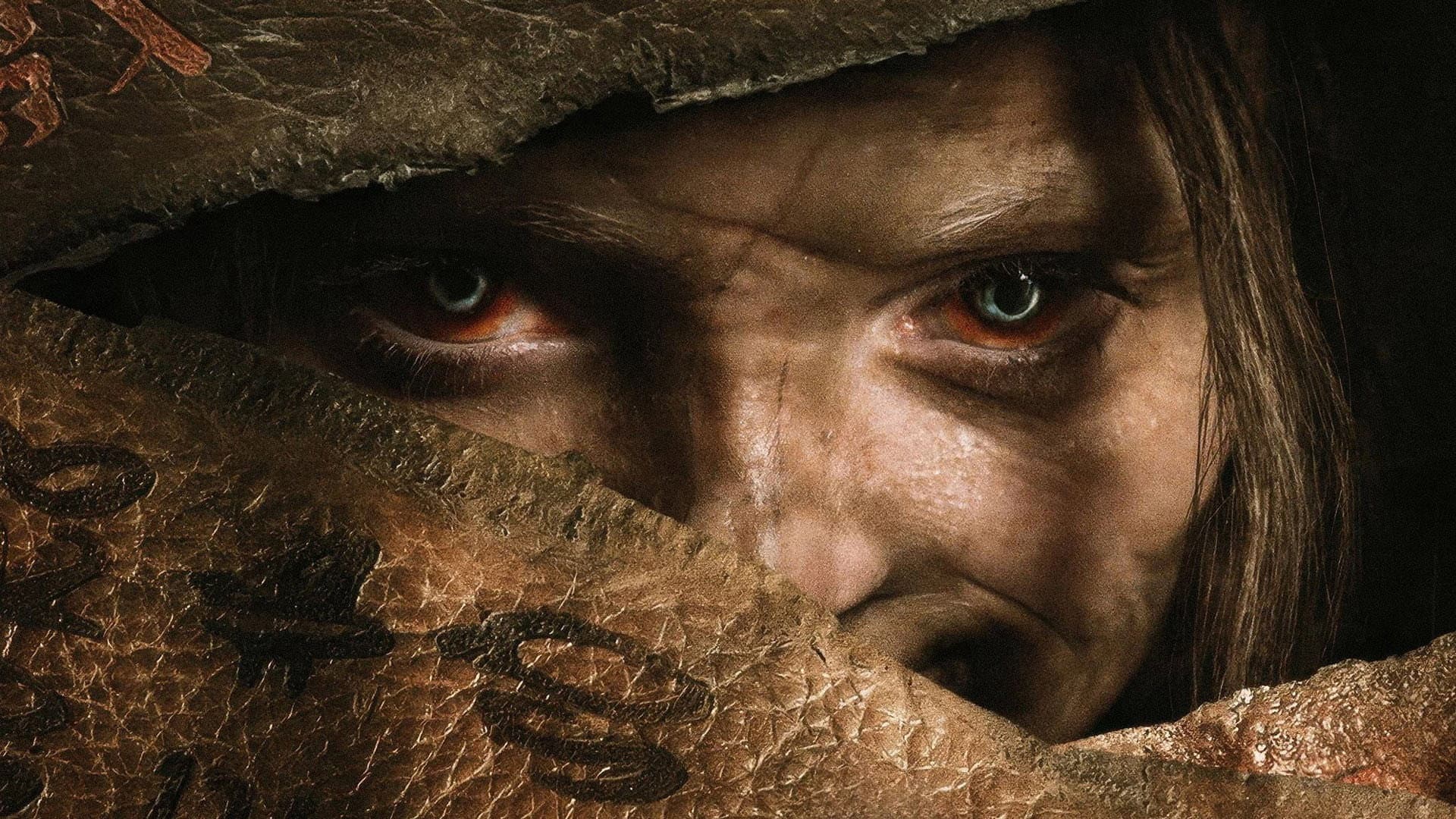
Grace is the film’s secret weapon. Her Katie speaks in clipped, precise sentences that feel rehearsed. Her eyes, wide and almond-shaped, reflect a light that shouldn’t exist. She does not scream for help; she refers to her captors as "the ones who listen." The true horror of The Mummy is not the creature that stalks the periphery - though Cronin’s practical effects team has conjured a truly hideous, linen-wrapped amalgamation of bone and shadow - but the psychological corrosion that Katie brings with her. She is a living wound, and Cronin ensures we feel every drop of pus.
What sets this apart from the Tom Cruise spectacle of 2017 or the Brendan Fraser romps of the late ‘90s is Cronin’s refusal to entertain. This is not a film about curses and treasure maps; it is a film about the horror of a parent’s love being weaponized. Charlie and Larissa are desperate to believe, and that desperation is their undoing. The script, co-written by Cronin, burrows into the idea that grief is a ritual, and Katie returns as the high priestess of a new, terrible liturgy.
Enter May Calamawy’s Detective Dalia Zaki, the film’s grounding rationalist. Zaki is a welcome foil, a woman whose skepticism is not arrogance but survival. Her investigation into the disappearance uncovers a vein of occult practices that feel less like ancient Egypt and more like the fevered logic of a cult that predates civilization. The mystery hinges on the Magician, played with chilling gravitas by Hayat Kamille, a figure who speaks in riddles and serves as the film’s true antagonist. Kamille’s performance is a whisper that somehow fills the IMAX screen, a reminder that the quietest voice can carry the most terrible weight.
The supporting cast adds texture to the dread. Shylo Molina and Billie Roy, as the Cannon siblings, embody the forgotten children - the ones who feel the absence of their sister but also the neglect of their parents’ obsession. Veronica Falcón’s Carmen Santiago, a local archaeologist, provides a crucial exposition dump that Cronin wisely keeps brief, preferring visual storytelling over lecturing.
The cinematography here is a character in itself. Cronin and his DP paint the desert in hues of bone-white and bruise-purple, capturing a landscape that is both breathtaking and lethal. The sand is not a surface; it is a liquid that swallows sound, a cover for things that move beneath the dunes. The sound design is impeccable - the guttural, wet noise of the creature’s limbs unwinding, the high-pitched ring of Katie’s humming, the suffocating silence of a room where a child is counting backwards.
As the runtime stretches toward its finale, the film morphs into a suffocating exercise in claustrophobia. The canvass narrows from the vast desert to the confines of the Cannon family home, suggesting that the real monster never left the family car. The final act is brutal, uncompromising, and invites a second viewing immediately to catch the breadcrumbs Cronin laid along the path.
Lee Cronin's The Mummy is a rare modern testament to the power of patience. It is a slow burn that ignites into a wildfire, refusing to offer catharsis. It asks a harrowing question: what do you do when the miracle you prayed for is the punishment you deserve? For the Cannons, the answer is buried deep - just beneath the sand, waiting to be exhumed. This is not a film you watch; it is a film that watches you back.