🎬Advertisement[movie-top-mobile]
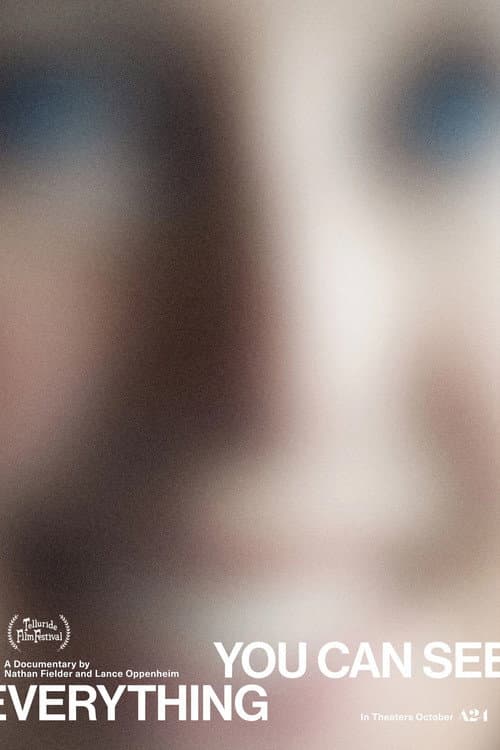
You Can See Everything Review: Fielder's 174-Minute Trap
Movie Review

You Can See Everything Review: Fielder's 174-Minute Trap

Director

Nathan Fielder

Language

EN

Release

2026-10-16

Runtime

174 min

Quick Verdict

A mesmerizing, frequently infuriating hall of mirrors that starts as a puff piece and ends as something closer to a psychological haunting. Fielder has made the most uncomfortable sit of the year, and one of the most unforgettable.

Story

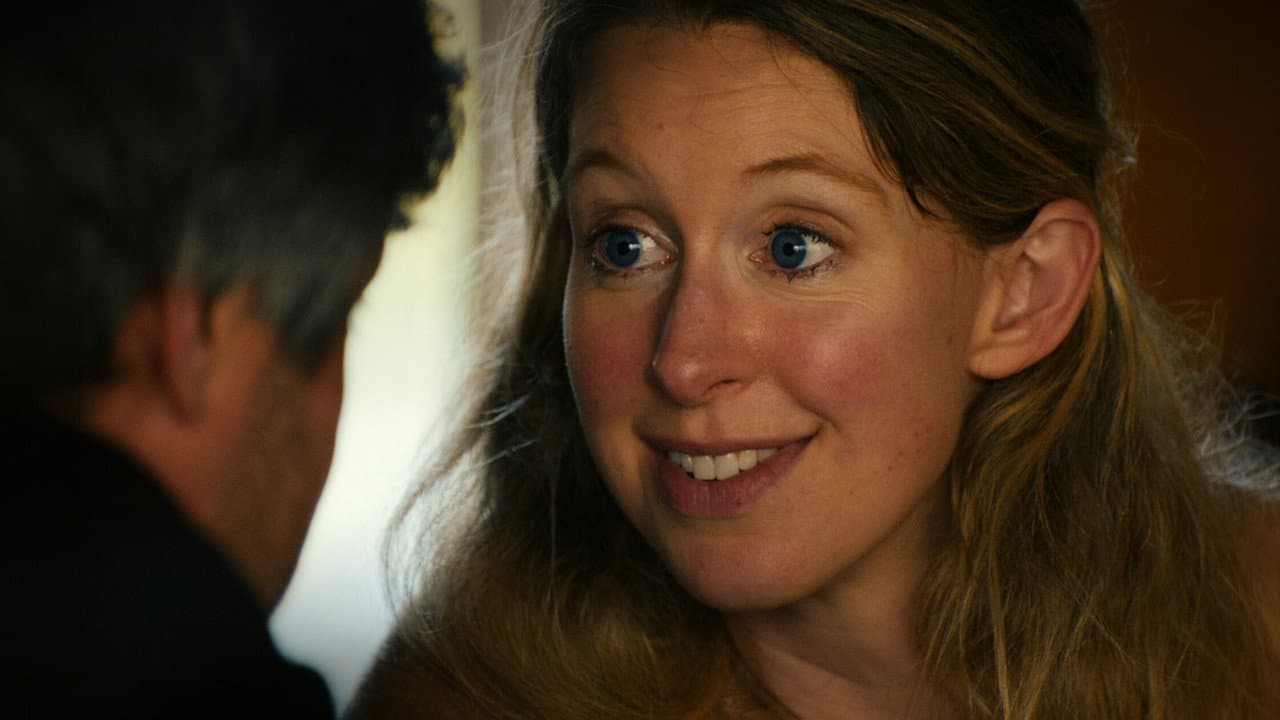
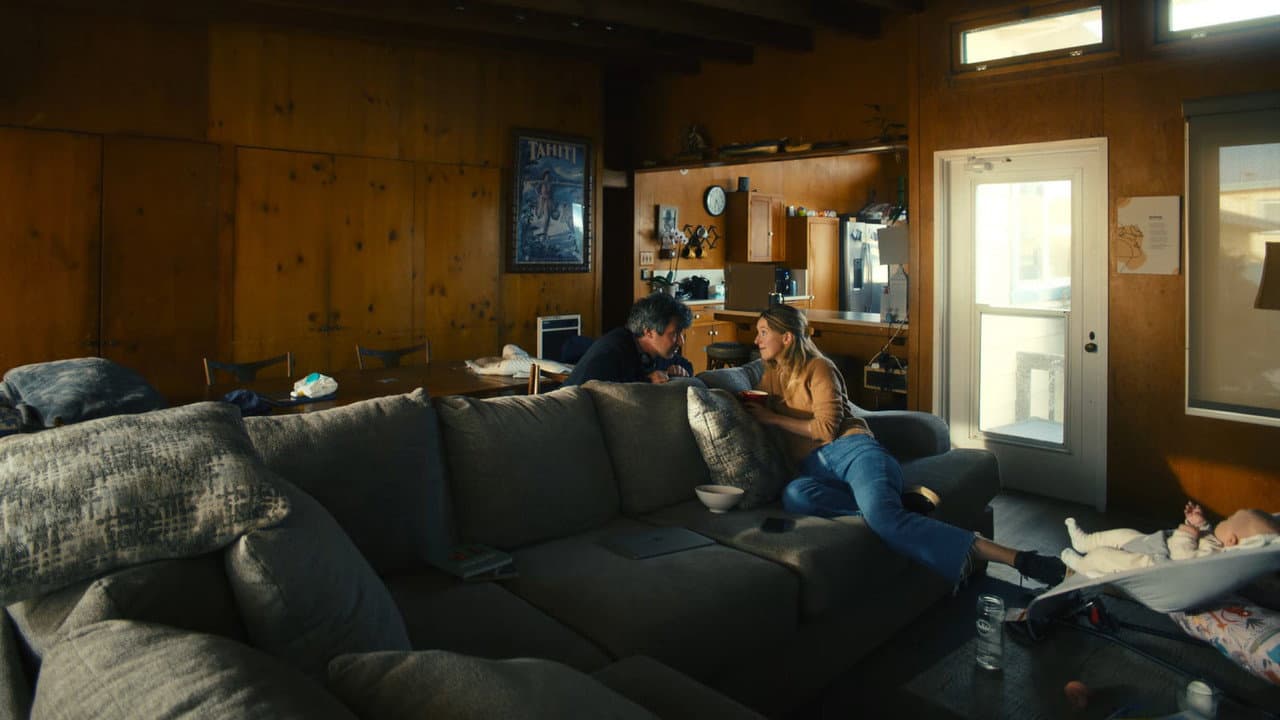
The setup is deceptively simple. Thirty-four days before Elizabeth Holmes is due to report to prison, she invites a skeptical film crew into her life, promising total access. Fielder, playing a version of himself as director, clearly expects a controlled redemption narrative. What he gets instead is a subject who treats the camera as another room to be managed, another audience to be charmed.

But the film refuses to stay in that lane. Over the course of three years - well past the prison gates, well past any conventional ending - the project mutates. Holmes remains a presence even when she is absent, and the documentary begins to interrogate its own machinery: who is performing for whom, what the crew is complicit in, and whether a portrait of a subject can ever be separated from the ego of the person holding the lens. Amanda Seyfried appears as a version of Holmes, and the film's willingness to blur that line tells you everything about its intentions. Billy Evans, the Holmes children, and producer Lance Oppenheim drift through the frame as both participants and evidence. By the final act, the abyss the overview promises is no longer metaphorical.

Review

To call this a documentary feels like a category error, and Fielder knows it. He has spent his career building comedy out of social discomfort and then daring audiences to keep laughing, and here he applies that instinct to material that is genuinely grave. The early stretches are almost funny - Holmes answering questions with the serene confidence of someone who has never once considered that she might be the problem. Then the film tightens. The editing grows recursive. Scenes repeat with slight variations. The chronology stops behaving.

What holds it together is the sheer audacity of the access. Holmes as Self is a performance without a script, and watching her navigate the camera is like watching someone solve a puzzle whose pieces keep changing shape. Seyfried's presence as a fictionalized echo of the same woman is a bold, disorienting choice that pays off - she gives the film an emotional register Holmes herself will never permit. Christopher Abbott and the extended Holmes-Evans family add texture, though some threads feel underdeveloped given the enormous runtime.

And 174 minutes is a lot. The middle third sags under its own conceptual weight, repeating observations that landed the first time. Fielder's instincts as a provocateur occasionally override his instincts as a storyteller, and there are stretches where the film's self-awareness tips into self-indulgence. But when it works - and it works more often than not - it produces a sensation no conventional true-crime doc can touch. This is not a film about whether Elizabeth Holmes lied. It is a film about what truth even means when everyone in the room is aware there's a camera.

The TMDb rating sitting at 0/10 is, for now, just an artifact of the film not having screened publicly yet. Expect that number to move violently in both directions once audiences get their hands on it. This is not a movie people will shrug at.

Pros & Cons

Pros

  • Nathan Fielder's direction turns a familiar scandal into an unpredictable formal experiment
  • Elizabeth Holmes as Self is a genuinely unsettling on-screen presence
  • Amanda Seyfried's dual-role conceit adds a haunting emotional layer
  • The three-year timeline gives the film an unusually long memory

Cons

  • At 174 minutes, the middle section loses momentum
  • Some supporting figures, including Christopher Abbott, feel underused
  • The meta-commentary occasionally swallows the human story
  • Viewers wanting a straightforward Holmes exposé will leave frustrated

Rating Breakdown

Direction9.0/10
Story & Structure7.0/10
Performances8.0/10
Editing & Pacing6.0/10
Originality9.0/10
Emotional Impact8.0/10

Final Verdict

"You Can See Everything" is the rare documentary that makes you question the contract between filmmaker and subject rather than simply absorbing a narrative. It overstays its welcome, and it occasionally mistakes confusion for depth. Yet Fielder has built something that lingers - a portrait of a woman who can't stop performing and a director who can't stop watching. Arrive patient, leave unsettled.

🎬Advertisement[movie-in-content]

Cast

Elizabeth Holmes

Elizabeth Holmes

Self

Nathan Fielder

Nathan Fielder

Self

Billy Evans

Billy Evans

Self

Amanda Seyfried

Amanda Seyfried

Self / Elizabeth Holmes

Christopher Abbott

Christopher Abbott

Self

W

William Holmes Evans

Self

I

Invicta Holmes Evans

Self

Lance Oppenheim

Lance Oppenheim

Self

Gallery

You Can See Everything Review: Fielder's 174-Minute Trap still 1
You Can See Everything Review: Fielder's 174-Minute Trap still 2
You Can See Everything Review: Fielder's 174-Minute Trap still 3
You Can See Everything Review: Fielder's 174-Minute Trap still 4
You Can See Everything Review: Fielder's 174-Minute Trap still 5
You Can See Everything Review: Fielder's 174-Minute Trap still 6
You Can See Everything Review: Fielder's 174-Minute Trap still 7
You Can See Everything Review: Fielder's 174-Minute Trap still 8

Similar Movies

#Review#Movies#Entertainment#2026
🎬Advertisement[movie-bottom-mobile]

Join Our Mailing List

We will send you the best movie reviews, celebrity news and entertainment updates from Movie Buzz each week.