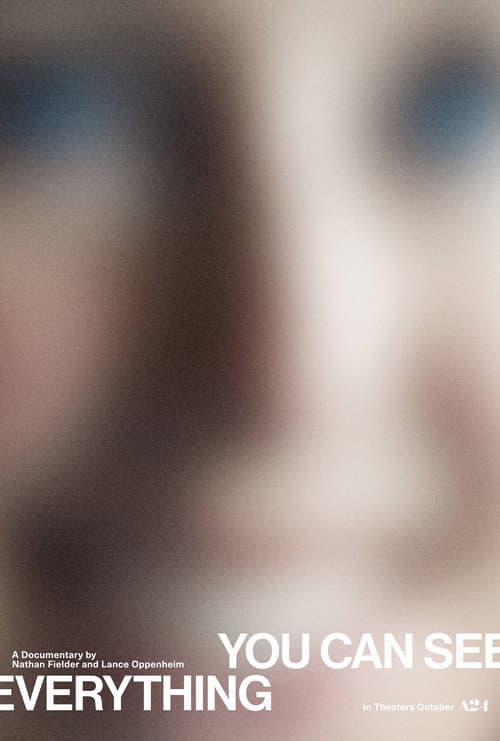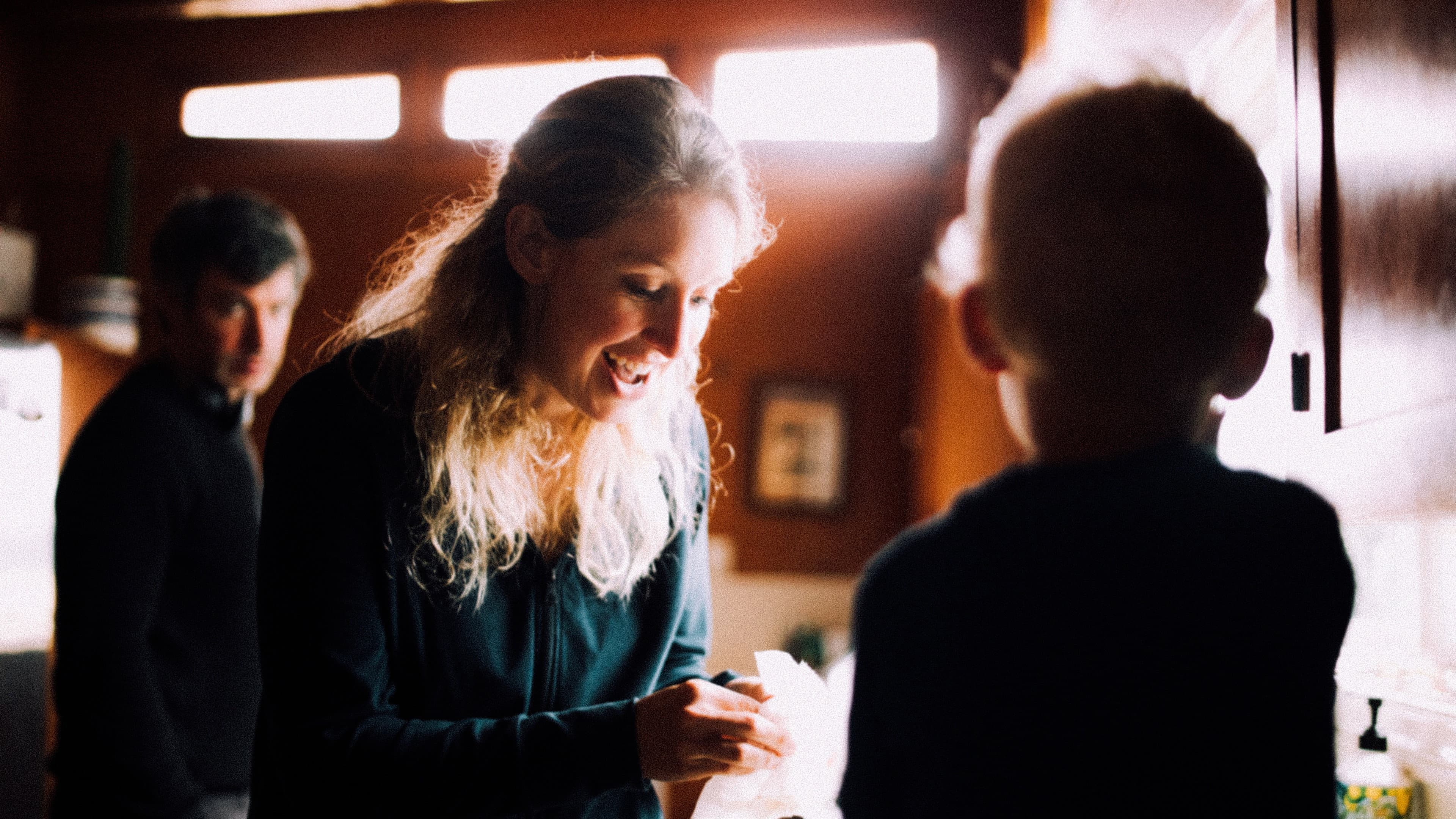
The New York Film Festival has added "You Can See Everything" to its Spotlight lineup, bringing Nathan Fielder's 174-minute documentary about Elizabeth Holmes to one of the fall season's most prominent stages. The film, which had a release date of September 6, 2026, now joins a slate that positions it alongside some of the year's most anticipated nonfiction and auteur-driven work.
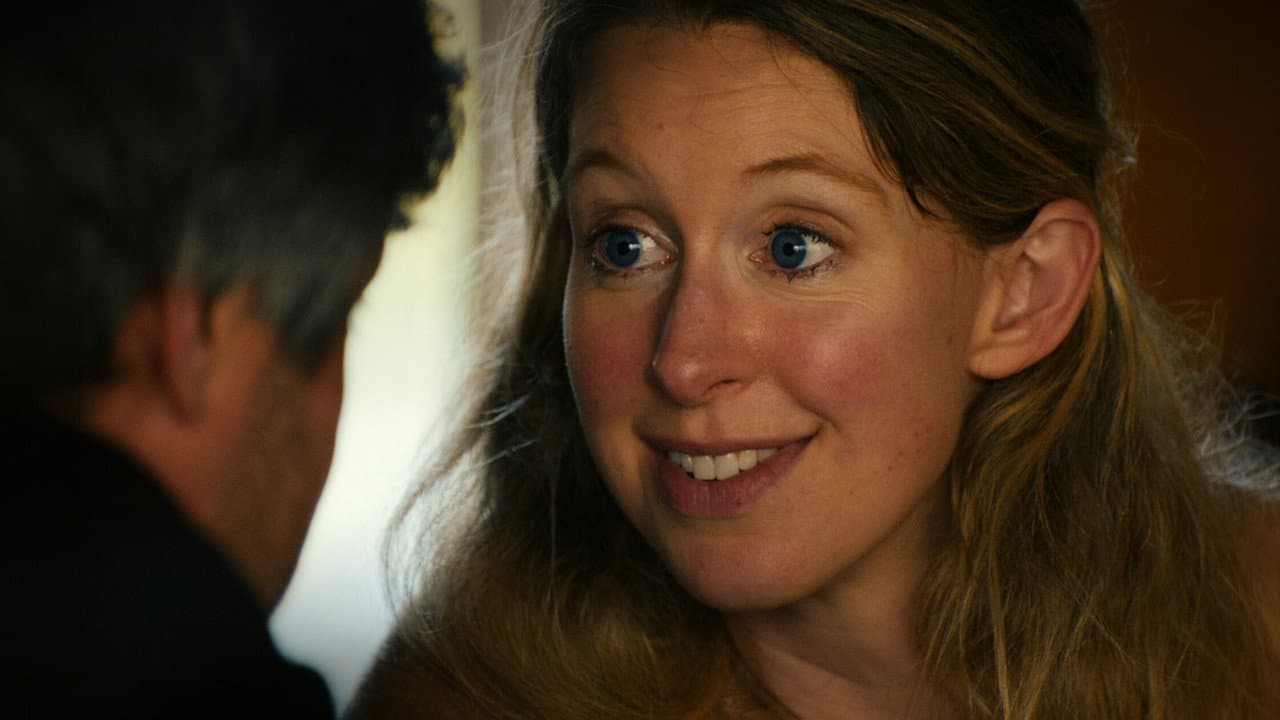
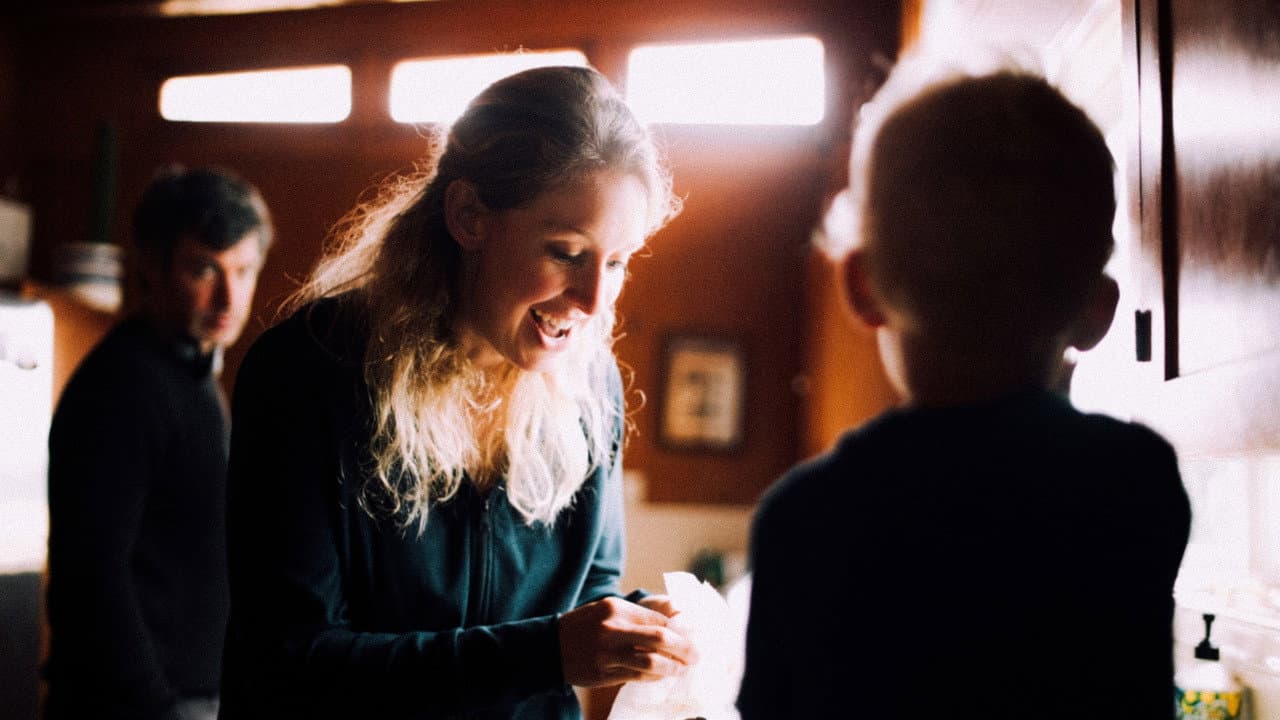
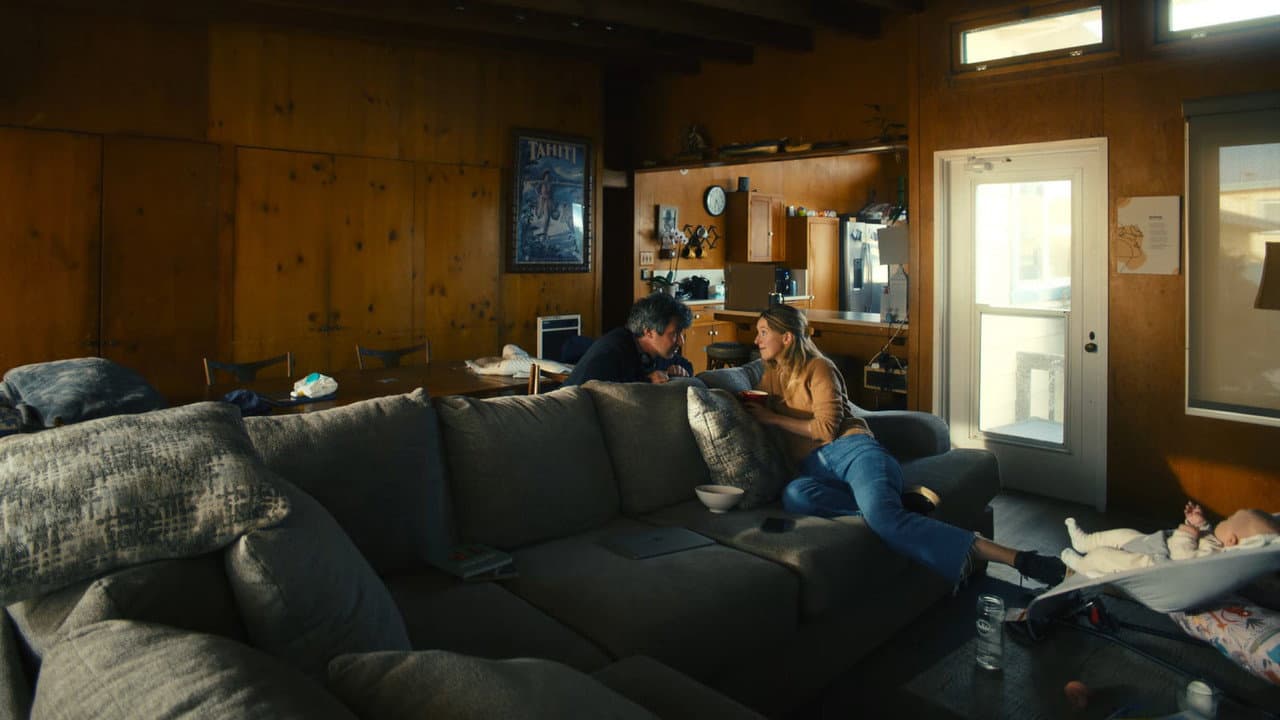
Produced within the Hollywood industry and presented in English, "You Can See Everything" centers on an extraordinary access arrangement: 34 days before Holmes was scheduled to report to prison, the disgraced Silicon Valley founder invited a skeptical film crew to follow her every move. According to the film's official description, what was initially conceived as an intimate portrait of an enigmatic felon instead became a three-year descent into difficult and strange territory. That framing suggests the documentary is less a conventional true-crime recap than a durational, firsthand record of a subject who has spent years resisting straightforward interpretation.
Fielder, known for his deadpan, boundary-testing comedy, directs. His involvement immediately signals that "You Can See Everything" will operate differently from the many journalistic accounts of Holmes and Theranos already in circulation. The project's cast list makes the film's self-reflexive structure even clearer: Holmes appears as herself, as does Fielder. Also credited as themselves are Billy Evans, Christopher Abbott, Lance Oppenheim, and two children, William Holmes Evans and Invicta Holmes Evans. Amanda Seyfried, who earned acclaim for playing Holmes in the scripted series "The Dropout," is listed as herself and as Elizabeth Holmes, adding a layer that blurs the line between documentary subject and dramatic interpretation.
That combination - the real Holmes, the director playing a version of himself, and the actress who portrayed her appearing in both registers - points to a documentary that interrogates the act of representation as much as it documents a person. The title itself, "You Can See Everything," reads as both a promise of total access and an ironic dare.
The film's runtime of 174 minutes places it among the longer entries likely to screen on the festival circuit this year. A nearly three-hour documentary demands sustained attention, and the Spotlight designation at New York suggests programmers believe the material can carry it. The festival's Spotlight section typically highlights acclaimed titles from other festivals and major upcoming releases, giving them a prominent berth without slotting them into the main competition.
Holmes, once celebrated as the youngest self-made female billionaire, became the face of one of the most consequential startup frauds in American history after Theranos collapsed. She was convicted on multiple counts of fraud and sentenced to prison. The documentary's premise - that she chose to let cameras in during the final weeks before incarceration - makes the film as much a study of image management under pressure as a chronicle of events already widely reported.
Also notable is the presence of Oppenheim, himself a documentary filmmaker known for immersive, character-driven work, in the cast. His inclusion suggests the production is not a solitary director-subject dynamic but a layered arrangement involving multiple filmmakers and performers observing one another.
With a TMDb rating of 9/10, early audience metrics indicate strong reception, though such scores are often volatile before wide release and should be treated cautiously at this stage.
The film's arrival comes at a moment when documentary is increasingly drawn to hybrid forms that question their own methods. "You Can See Everything" appears designed for that conversation: part portrait, part performance, part procedural of a media figure who understood cameras intimately and used them strategically until the end. Its New York Film Festival slot gives it a high-profile platform just as awards-season attention begins to consolidate.
For audiences who followed the Theranos saga through books, podcasts, and dramatizations, the film's central claim is that there is more to see. Whether that claim holds over 174 minutes is now a question the festival audience will help answer.
Source: The Hollywood Reporter