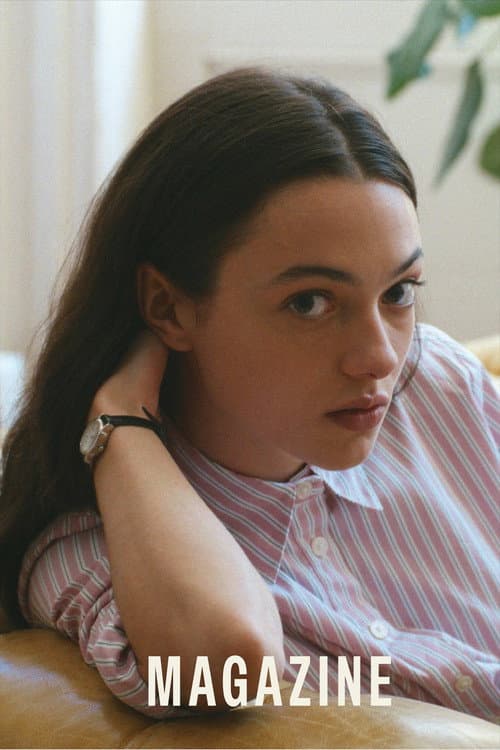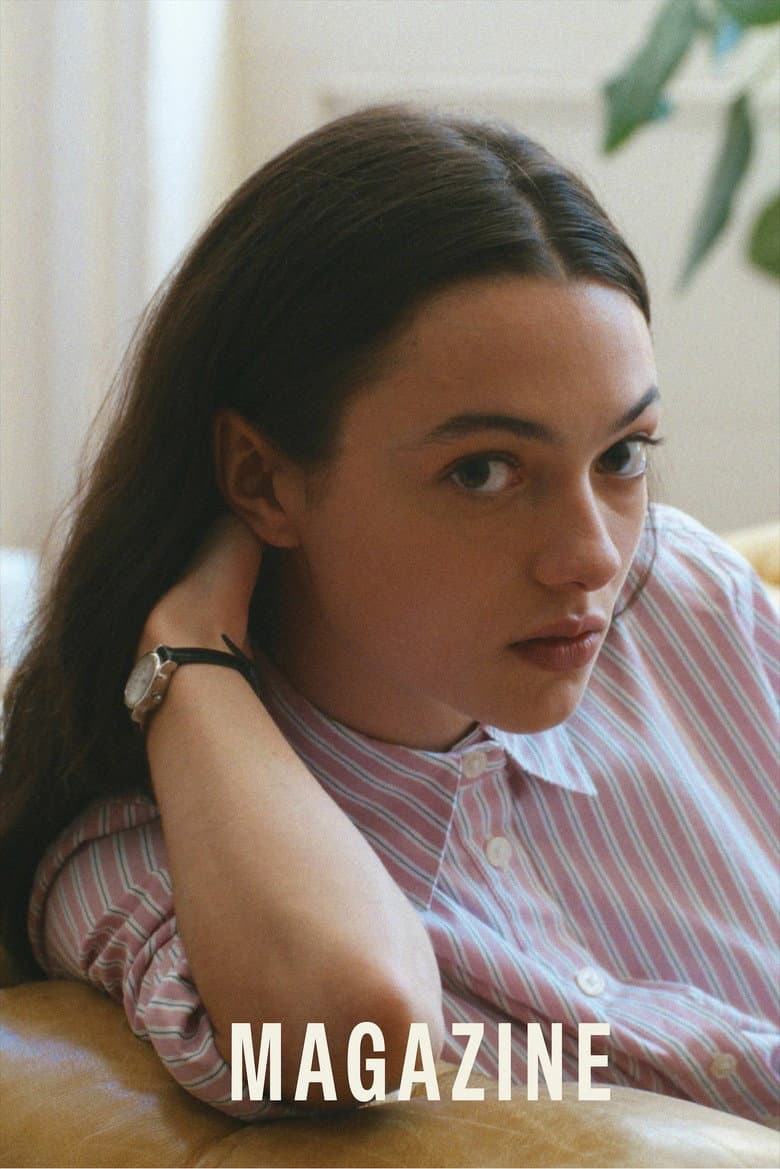
Alexandra Pechman's "Magazine" has landed at the Toronto International Film Festival with a subject that feels both archival and uncomfortably current: the intoxicating, often corrosive power dynamics inside a prestigious New York City literary magazine. The drama, which runs 105 minutes, made its festival appearance following a September 11, 2026 release, and it wastes little time establishing its central figure. Lily McInerny stars as Nora, a young intern who finds herself drawn into the orbit of an institution whose glamour is inseparable from its hierarchies.
The film marks Pechman's return to features after her 2018 debut "The Wind," and it confirms her interest in isolation and psychological pressure, though she has traded the prairie for the masthead. Where that earlier film built dread out of open landscape, "Magazine" generates tension from closed doors, unpaid labor, and the particular seduction of being wanted by people who can open them.
At the center of Nora's induction is Thomas, played by Joshuah Melnick, one of several figures who populate the magazine's ecosystem. The supporting cast is notably deep for an independent drama: AnnaSophia Robb, Lukita Maxwell as Tabitha, Jake Lacy as Mickey, Daniel Zolghadri as Leonard, Ruby Cruz as Greer, and Delaney Rowe round out the ensemble. Each appears to represent a different rung on the ladder Nora is trying to climb, or perhaps a different way of surviving once you realize the ladder is not what it seemed.
Pechman has spoken about her fascination with the era in which the film is set, and the movie's period details are not incidental. "Magazine" evokes the 2010s, a decade when print media still commanded cultural authority even as its economic foundations were visibly cracking. For anyone who came of age reading bylines and believing they meant something, the setting functions less as nostalgia than as a crime scene, preserved at the moment before the damage became undeniable.
That tension between reverence and rot has become a recognizable subgenre in recent years, with films and series examining the manners and misdeeds of elite institutions. "Magazine" distinguishes itself by refusing to treat the workplace as merely a backdrop for a scandal plot. Nora's story is about appetite, her own included, and the film seems less interested in assigning villainy than in tracing how proximity to power reshapes a person's judgment.
The timing of the premiere is pointed. As legacy publications continue to contract, fold, or reinvent themselves as something closer to content operations, the film's portrait of a literary magazine as a site of glamour and exploitation carries a doubled charge. What once read as satire now reads closer to documentation.
McInerny, whose recent work has leaned toward roles that require her to hold the screen while saying very little, appears well matched to a character whose education happens in glances, silences, and the careful management of other people's egos. Melnick's Thomas, positioned as both gatekeeper and temptation, gives the film a gravitational center around which the rest of the cast can orbit.
"Magazine" is an English-language Hollywood production, and its New York setting places it squarely within a tradition of films about ambitious young people arriving in the city to be tested. But Pechman's attention to the textures of office life, the hierarchy encoded in who gets invited to lunch, complicates the familiar arc. The film is less a story of arrival than of gradual initiation into a value system that rewards complicity and calls it craft.
TIFF audiences have historically served as an early proving ground for intimate dramas with strong central performances, and "Magazine" arrives with a clear sense of what it wants to be: a character study first, a period piece second, and an indictment only insofar as the truth of the situation demands one. With a 105-minute runtime, it moves at a pace that suggests confidence rather than haste.
Whether the film will find a wider audience beyond the festival circuit remains an open question. Distributors continue to show appetite for stories about media and the people who make it, particularly when anchored by a rising lead and a director with a distinct visual temperament. Pechman, who began her career in documentary and has moved steadily toward narrative, brings a reporter's eye to fiction that suits the material.
For now, "Magazine" stands as one of the more intriguing entries in a festival season crowded with literary adaptations and legacy sequels. It asks a question that anyone who has ever wanted to be published, promoted, or simply noticed will recognize: how much of yourself are you willing to trade for a seat at the table?
Source: The Hollywood Reporter