Stephen Colbert has offered a brief but telling update on the long-gestating Lord of the Rings animated movie he has been shepherding, speaking to reporters backstage just minutes after picking up an Emmy Award. The host and executive producer, whose lifelong devotion to J.R.R. Tolkien's legendarium is well documented, confirmed that the project remains in active development but declined to pin down a release window. "We are still working on it, and we want to get it right," Colbert said, according to pool reports from the ceremony. The remarks mark the first substantive public comment on the film in months and suggest that the creative team is prioritizing fidelity to the source material over speed.
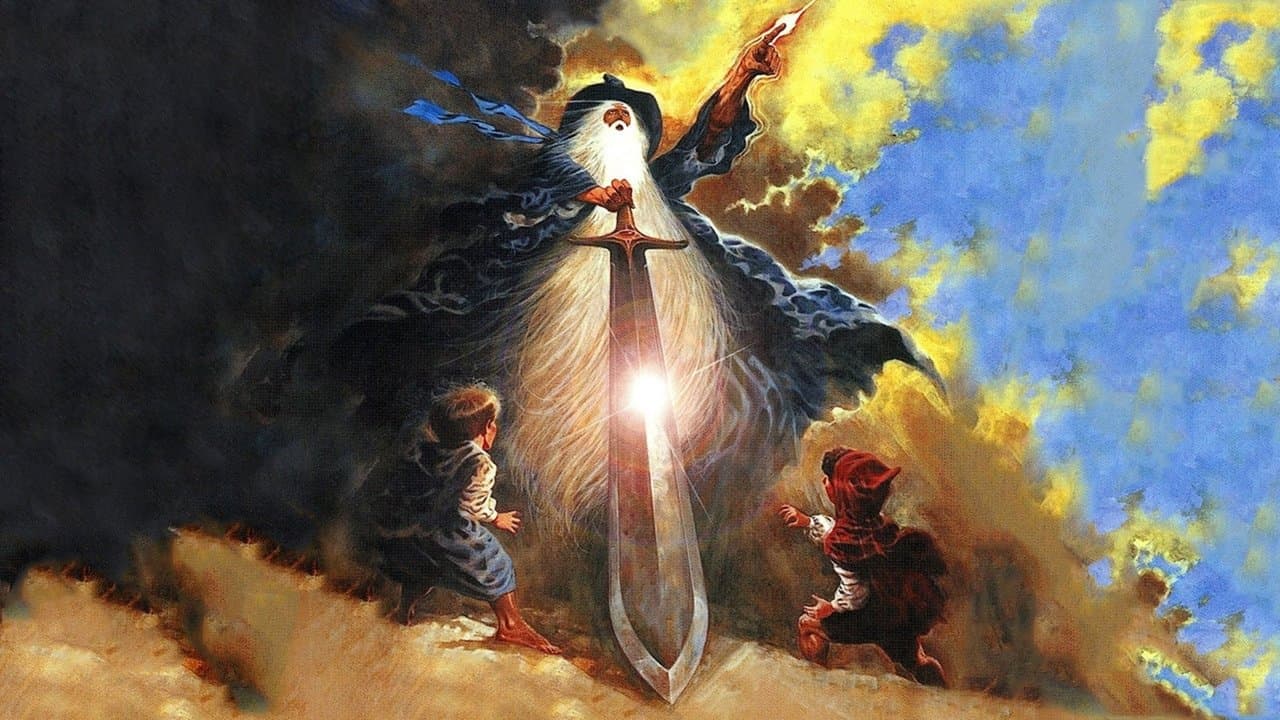
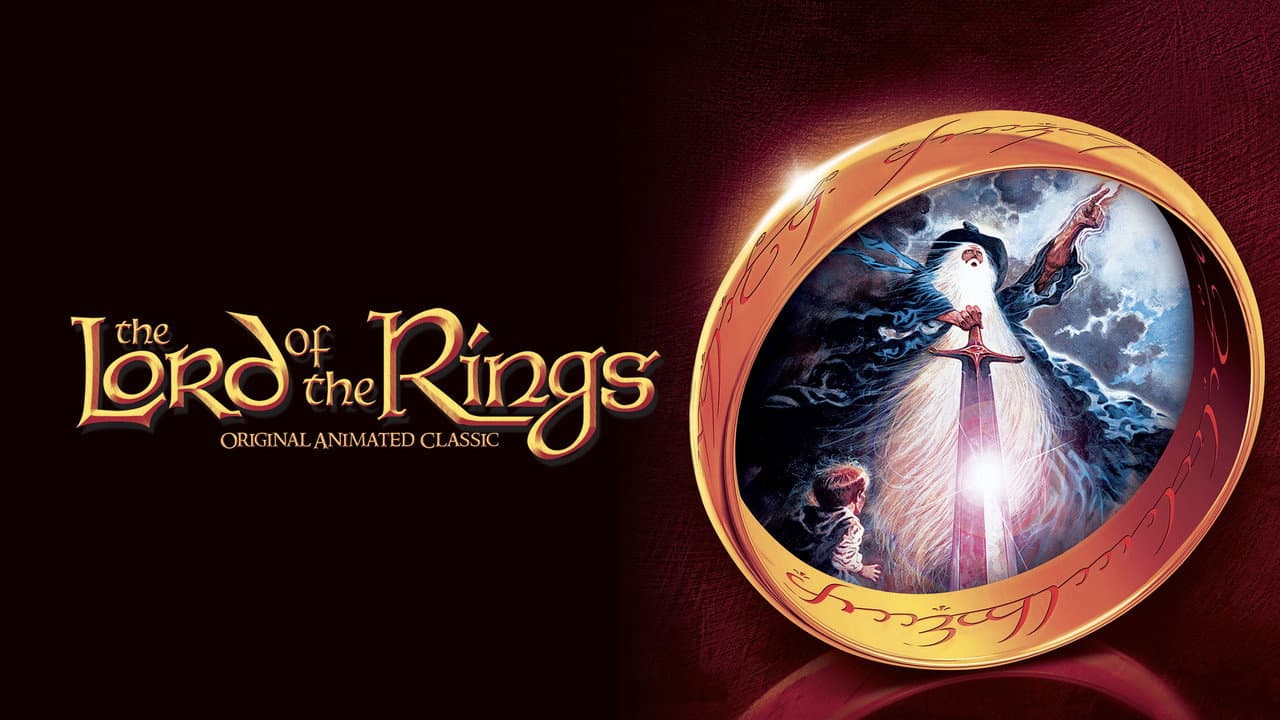
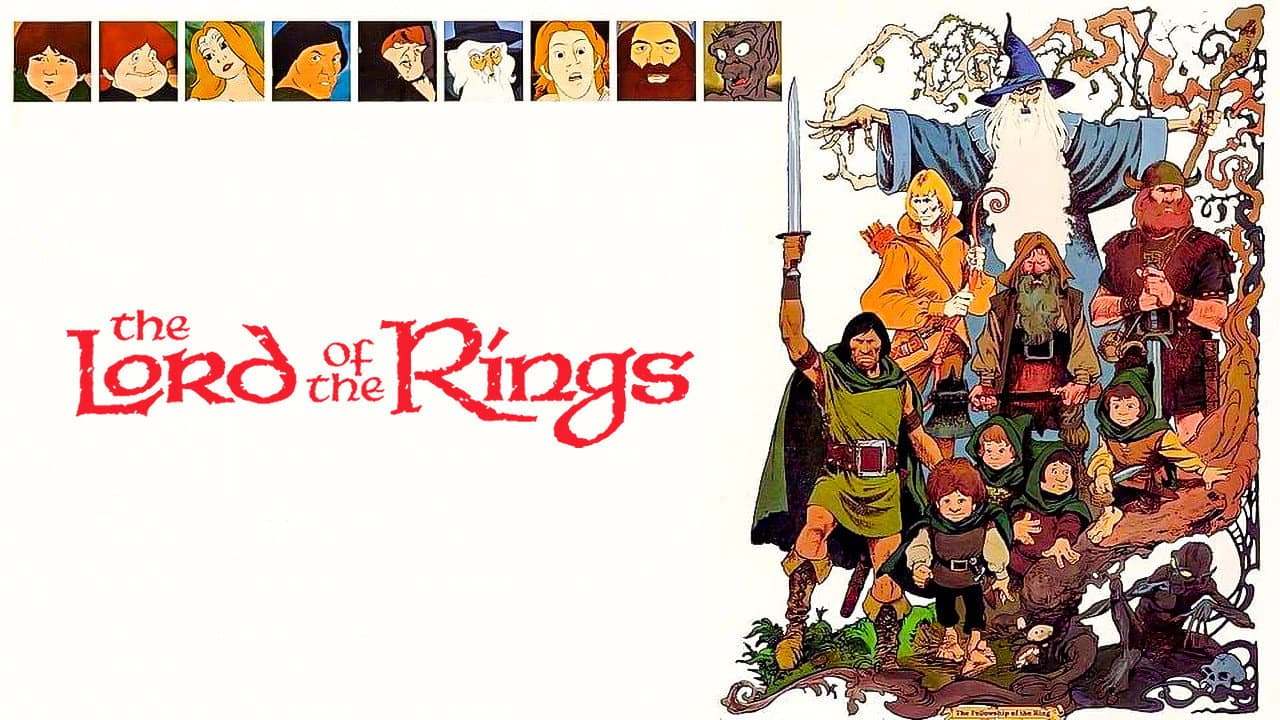
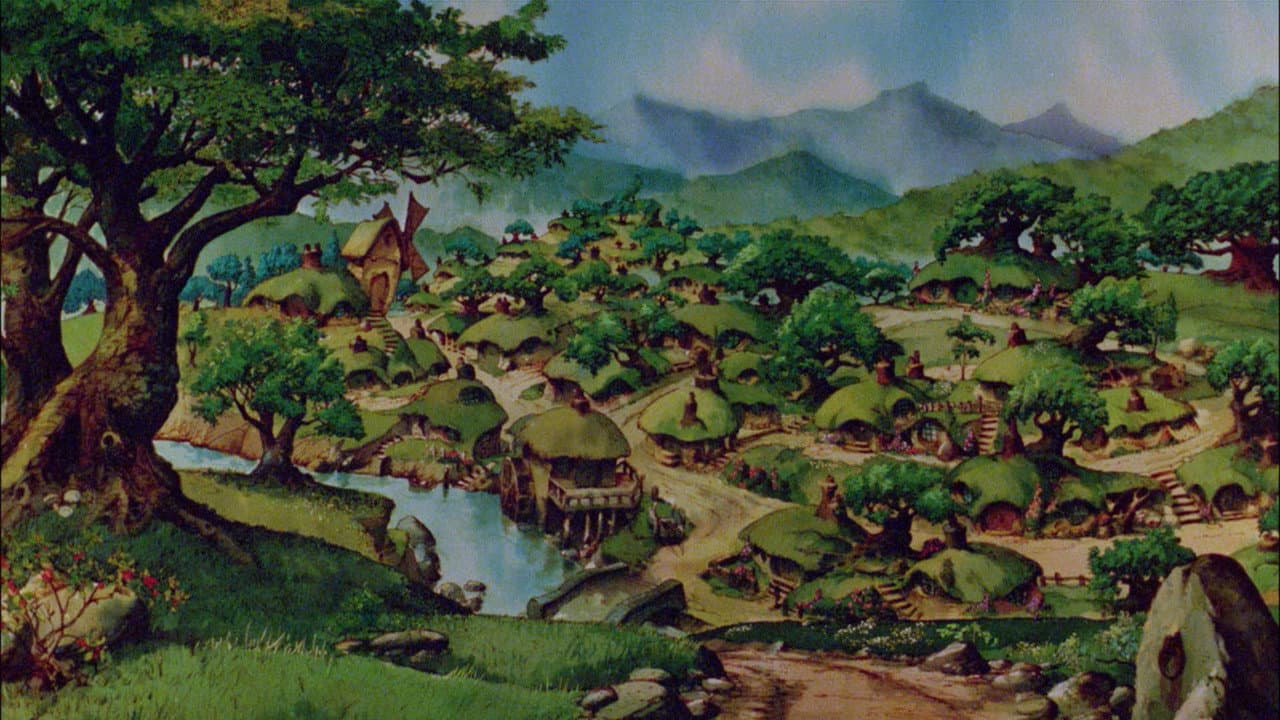
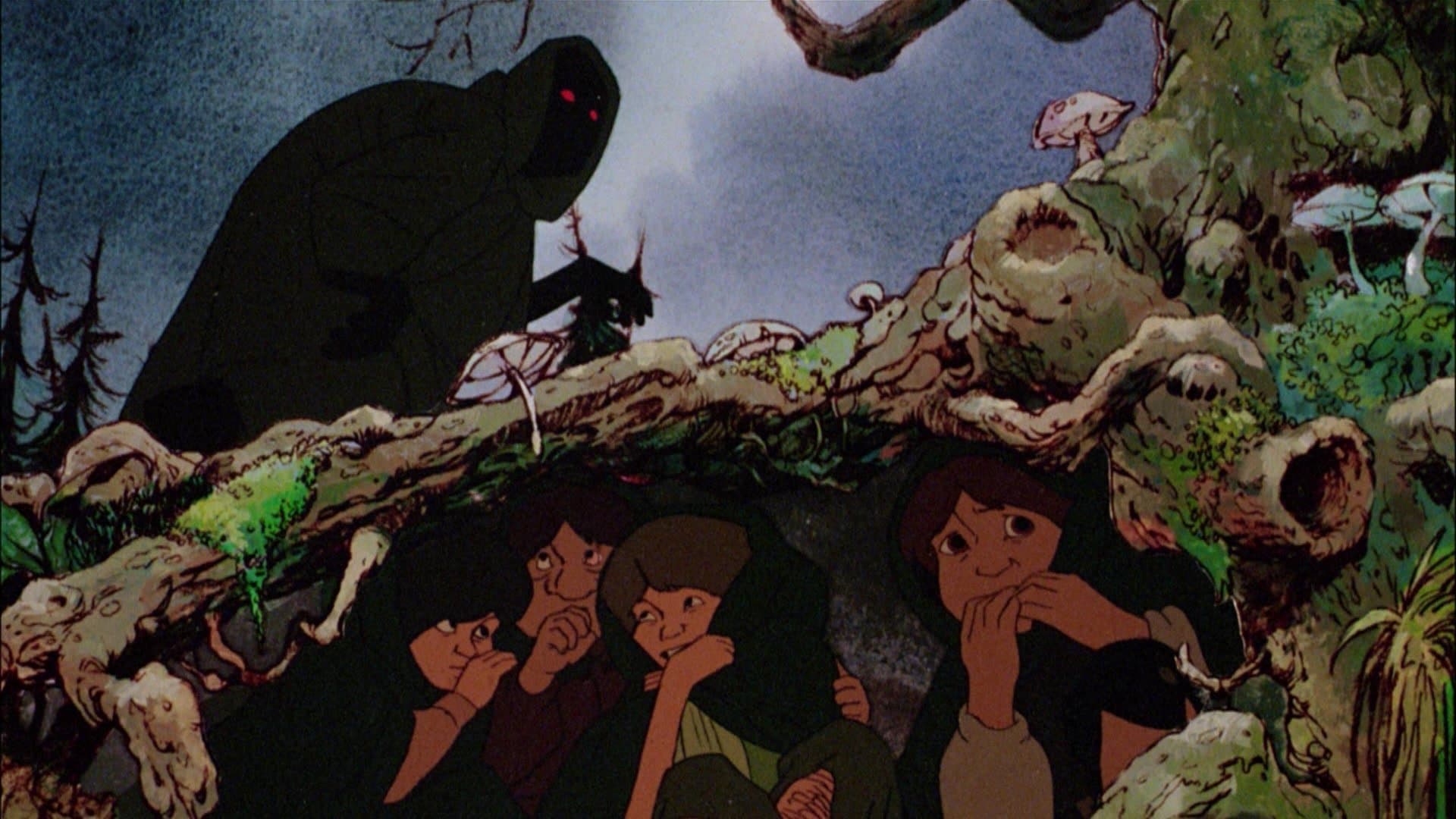
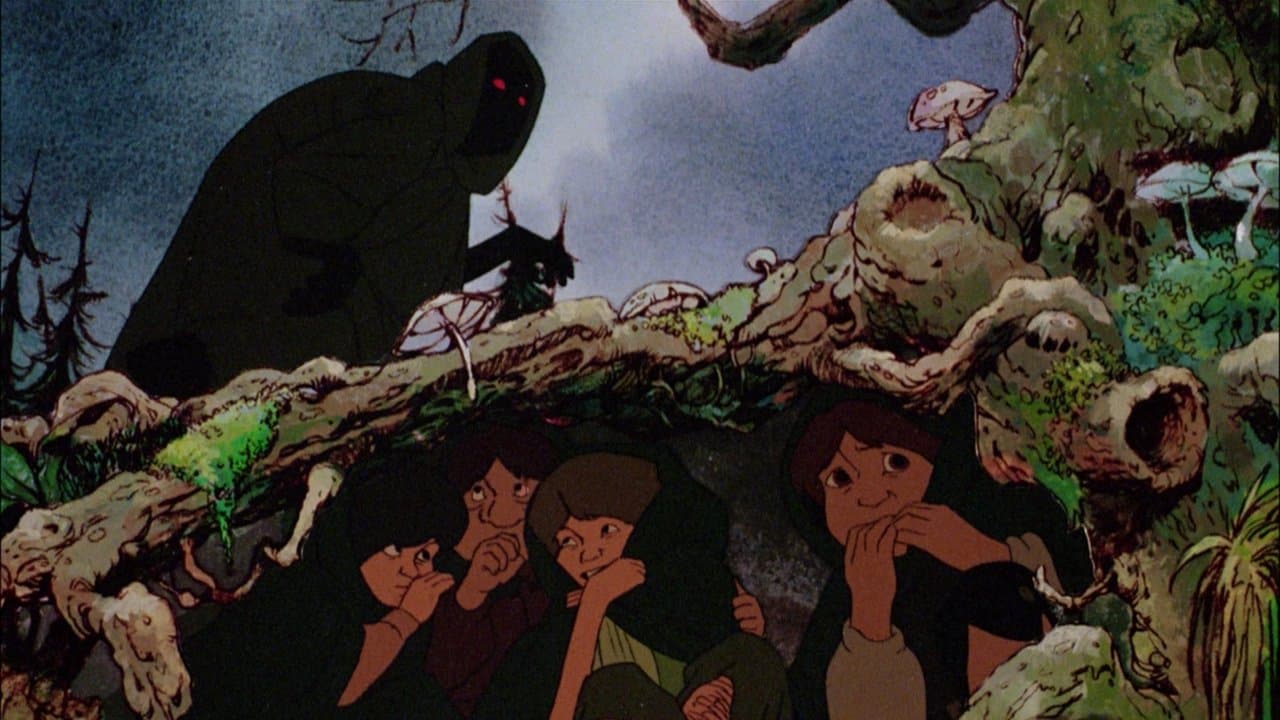
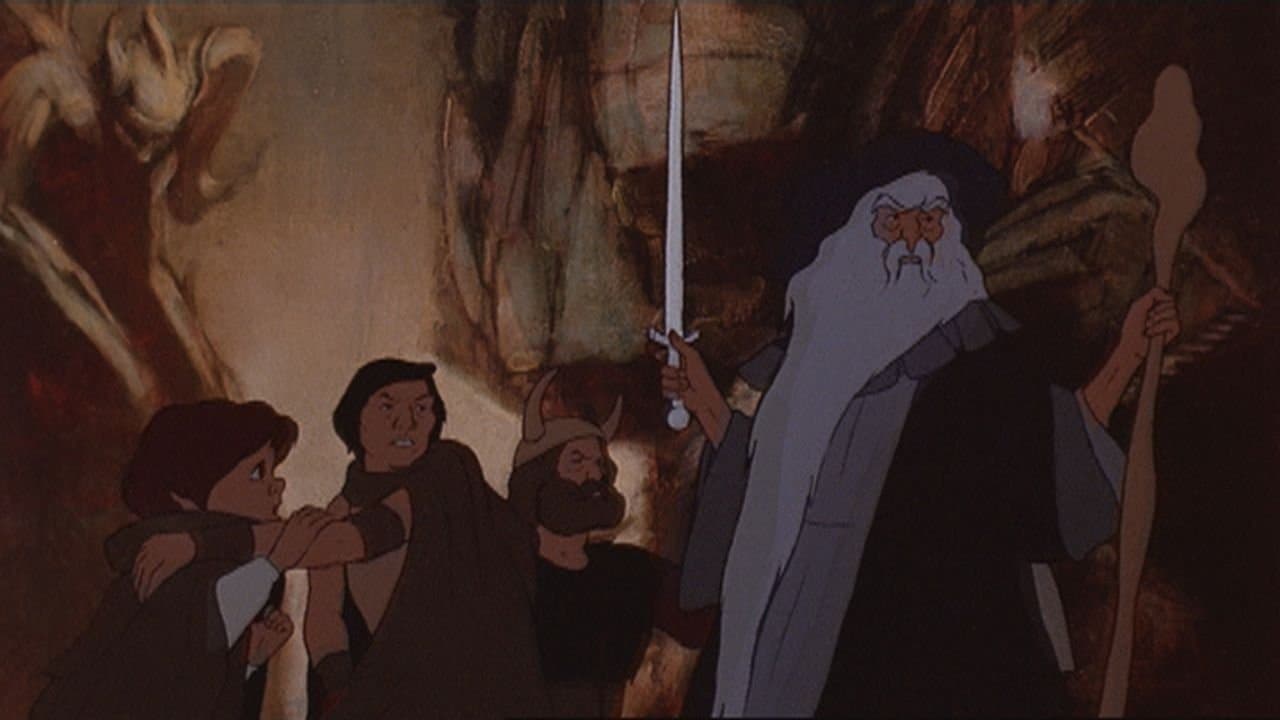
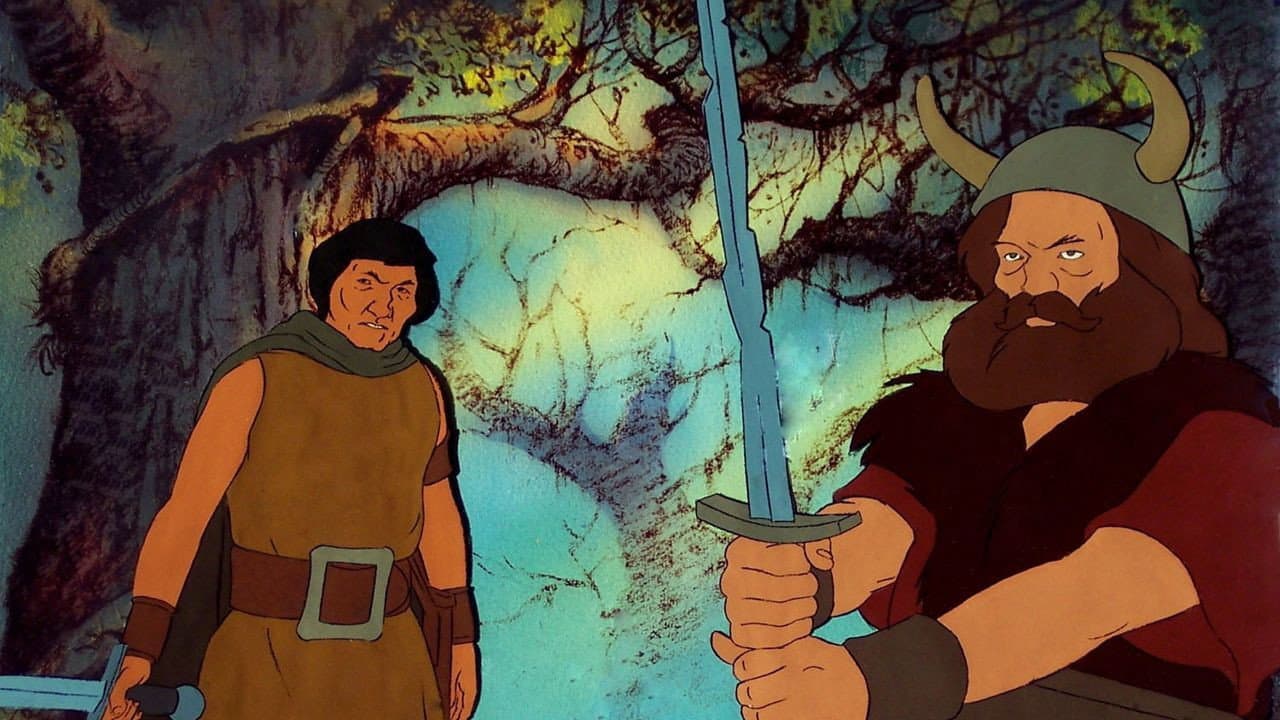
The untitled feature is understood to be an animated adaptation of The Lord of the Rings, the foundational 1978 film directed by Ralph Bakshi. That earlier effort, released on November 15, 1978, carried a runtime of 132 minutes and brought Tolkien's opening chapters to the screen through a mix of traditional cel animation and rotoscoped live-action footage. It featured Christopher Guard as the voice of Frodo Baggins, William Squire as Gandalf, Michael Scholes as Sam, John Hurt as Aragorn, Simon Chandler as Merry, Dominic Guard as Pippin, Michael Graham Cox as Boromir, and Anthony Daniels as Legolas. Contemporary audiences rated it 6.6 out of 10 on TMDb, a score that reflects its enduring cult status as much as its mixed critical reception at the time.
A Return to Middle-earth's Animated Roots
Colbert's project arrives at a moment when Tolkien adaptations are enjoying renewed commercial and cultural prominence, though most of that attention has focused on live-action interpretations. By returning to animation, the film nods to the medium that first carried Frodo's journey to theaters. Bakshi's version was itself an ambitious undertaking, condensing a sprawling narrative into a single feature while experimenting with visual techniques that were uncommon in mainstream animation of the era. The new film's producers have not announced whether it will remake, reinterpret, or expand upon that 1978 template, and Colbert's comments left that question open.
The overview of the original material remains familiar to anyone who has encountered the story in any form: young Hobbit Frodo Baggins is thrust into an extraordinary adventure when he is charged with destroying the One Ring, a device forged by the dark lord Sauron. Frodo sets out with a small fellowship of nine warriors and companions, and the journey proves anything but simple as the group pursues its ultimate goal of ridding Middle-earth of evil. That narrative spine has proven remarkably adaptable across animation, live-action cinema, radio, and television.
Casting and Production Details Stay Under Wraps
Colbert gave no indication of who might lend their voices to the new production, nor did he address whether any members of the 1978 cast could be involved in a legacy capacity. Several performers from that film, including Anthony Daniels, remain active in the industry, but the producers have not confirmed any casting discussions. The original film's voice ensemble was drawn largely from British stage and screen talent, a tradition that subsequent Tolkien adaptations have generally continued.
The director of the new feature has not been publicly named. Colbert, who has balanced his television duties with producing roles in recent years, has been attached to the project since its earliest announced stages, and his Emmy night comments suggest he intends to remain hands-on. Industry observers have noted that animated features of this scale typically require multi-year production timelines, which would place any release well beyond the current calendar year.
What the Emmy Win Means for the Project
Colbert's Emmy victory, for which specific category was not immediately detailed in pool coverage, adds a measure of prestige to a project that has largely flown beneath the radar since its announcement. Awards attention can accelerate studio confidence in a film's commercial prospects, particularly for an animated title aimed at both devoted Tolkien readers and general audiences. Whether that translates into a greenlit production schedule or a formal release date remains to be seen.
For now, the takeaway is modest but meaningful: the film is not dormant. Colbert's insistence on getting it right echoes a sentiment that has become something of a mantra for Tolkien adaptations, which carry the weight of an unusually passionate fanbase. The 1978 Lord of the Rings demonstrated that even an imperfect translation of the material could find a lasting audience. Colbert and his collaborators appear determined to honor that legacy while charting their own path through Middle-earth.
Source: The Hollywood Reporter