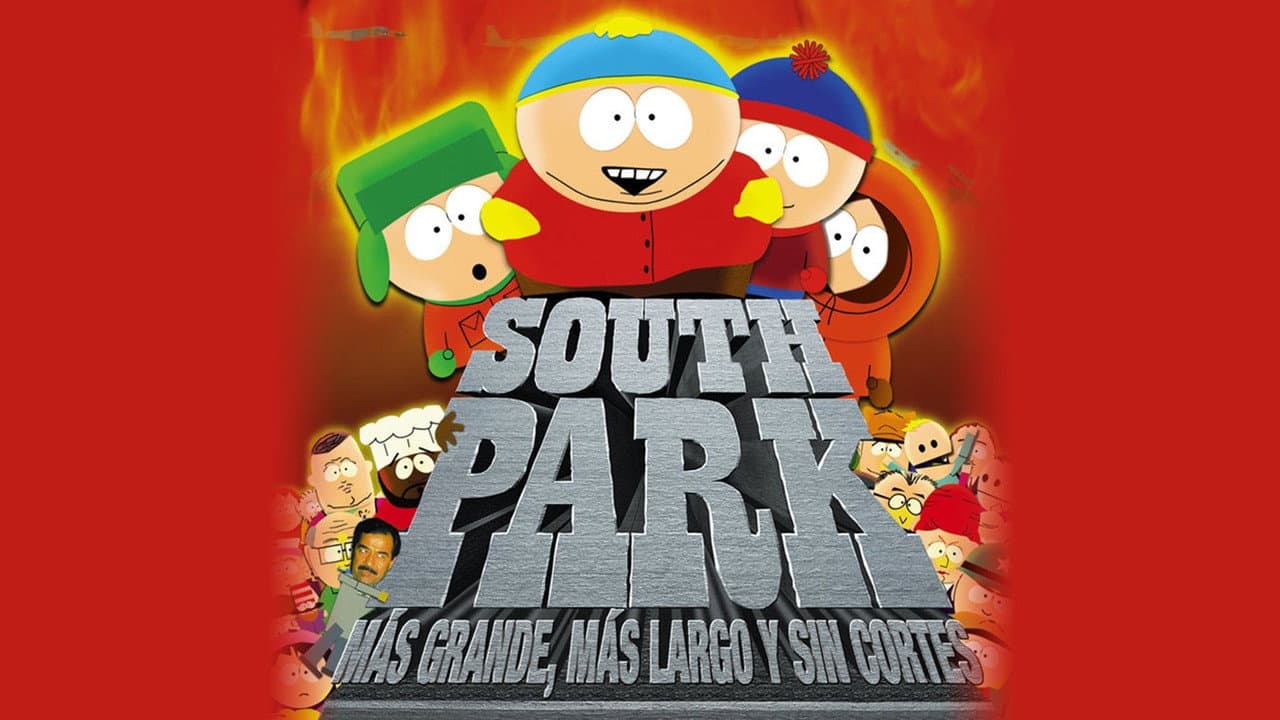
Movie fans got an unexpected blast from the past this week when the creative team behind South Park issued a formal apology to Kendrick Lamar and Paramount, acknowledging that their long-gestating sequel to the 1999 animated hit has hit repeated snags. The duo behind the franchise, Trey Parker and Matt Stone, addressed the delay directly, insisting that their enthusiasm for the project remains undimmed despite the extended wait.
“We still believe in the project,” the statement read, signaling that the pair have not abandoned the ambitious follow-up to South Park: Bigger, Longer & Uncut. The apology was aimed squarely at the Pulitzer Prize-winning rapper and the studio, suggesting that promises made to both parties have not yet materialized on screen. While specific reasons for the holdup were not detailed in the public statement, the tone was conciliatory, acknowledging frustration on all sides without entirely scrapping the vision.
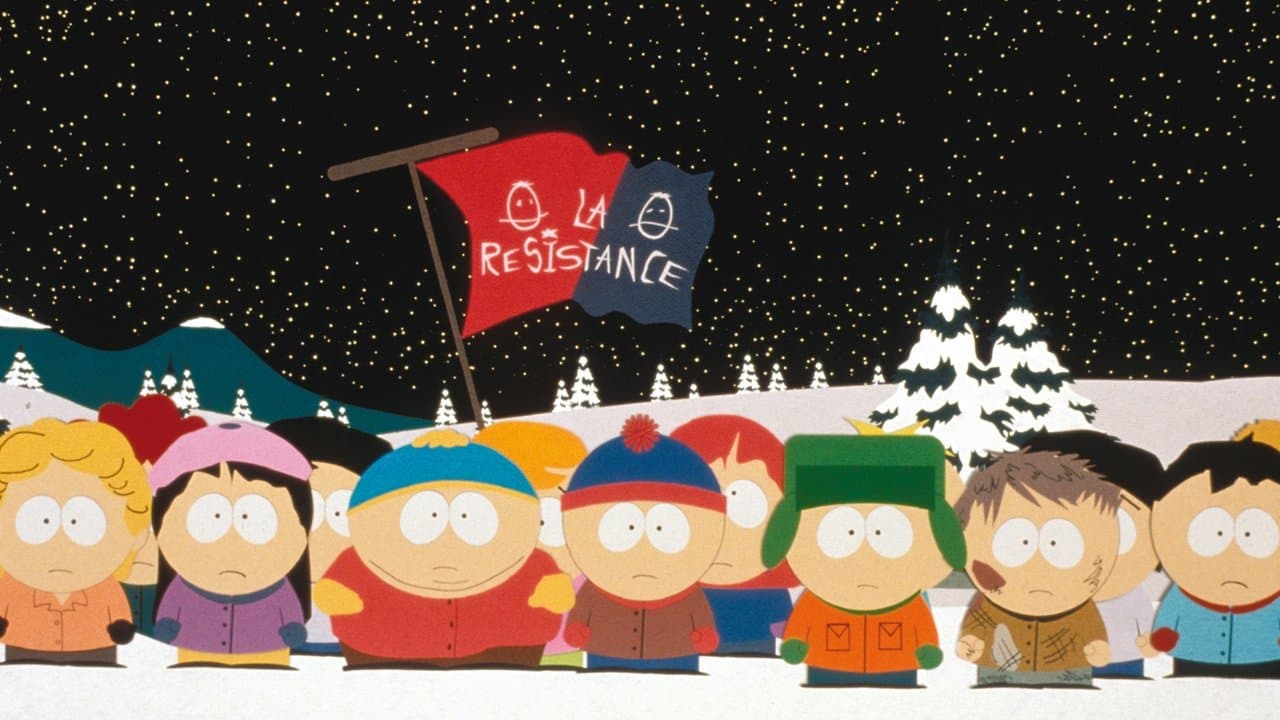
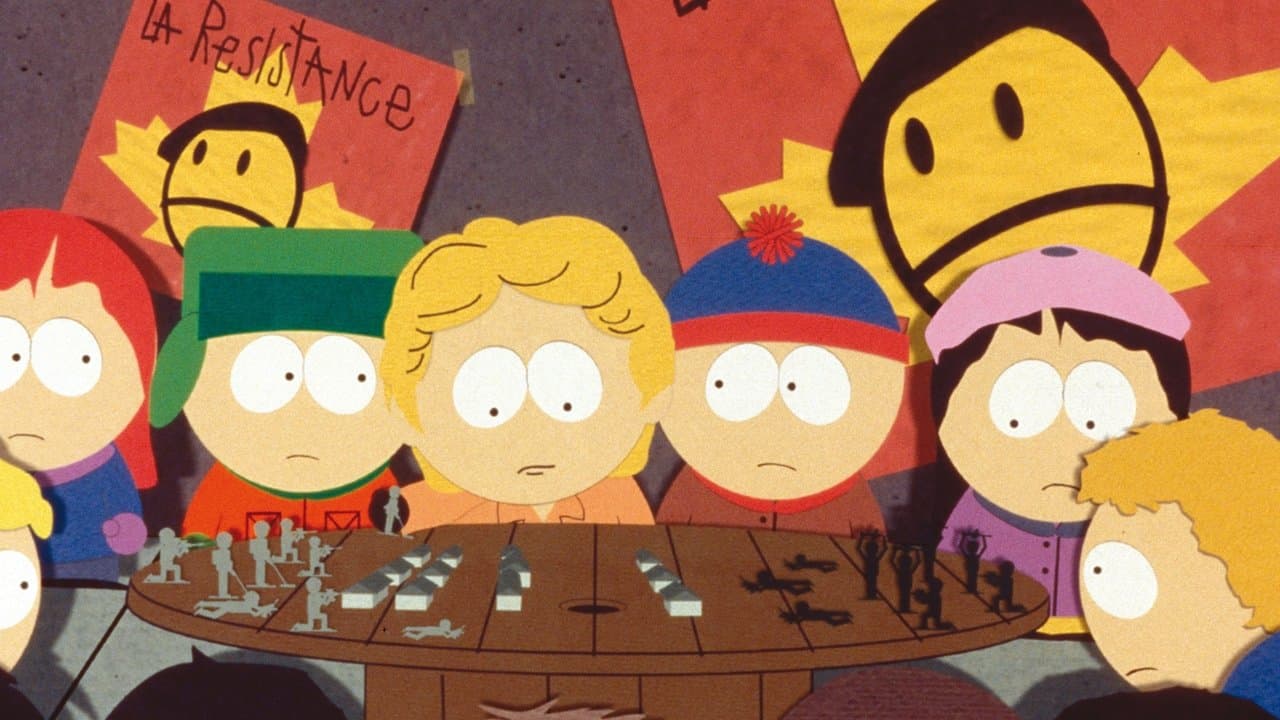
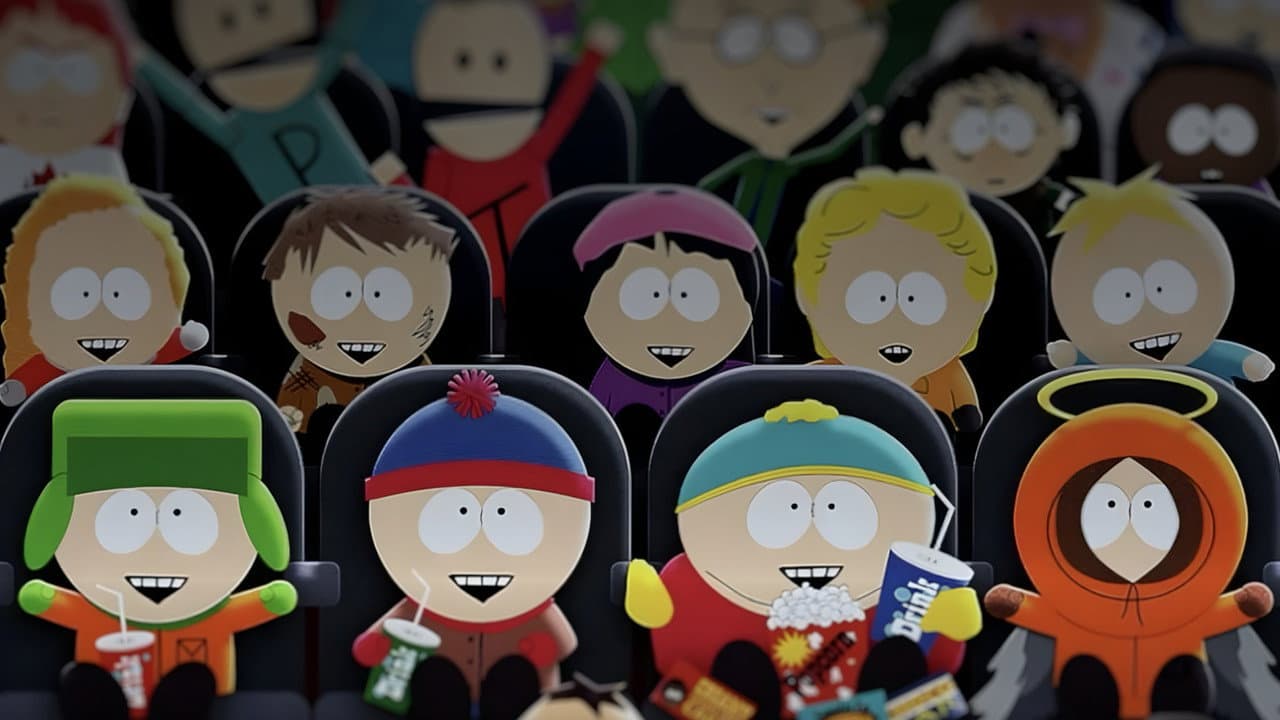
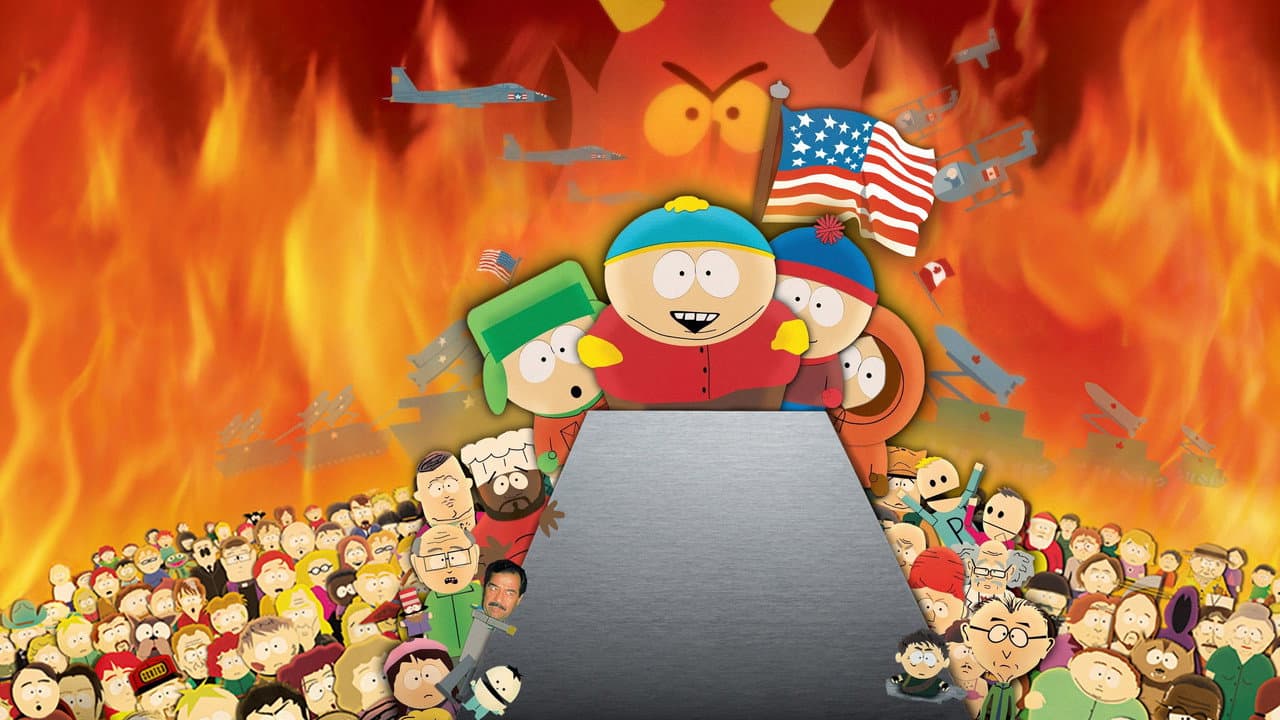
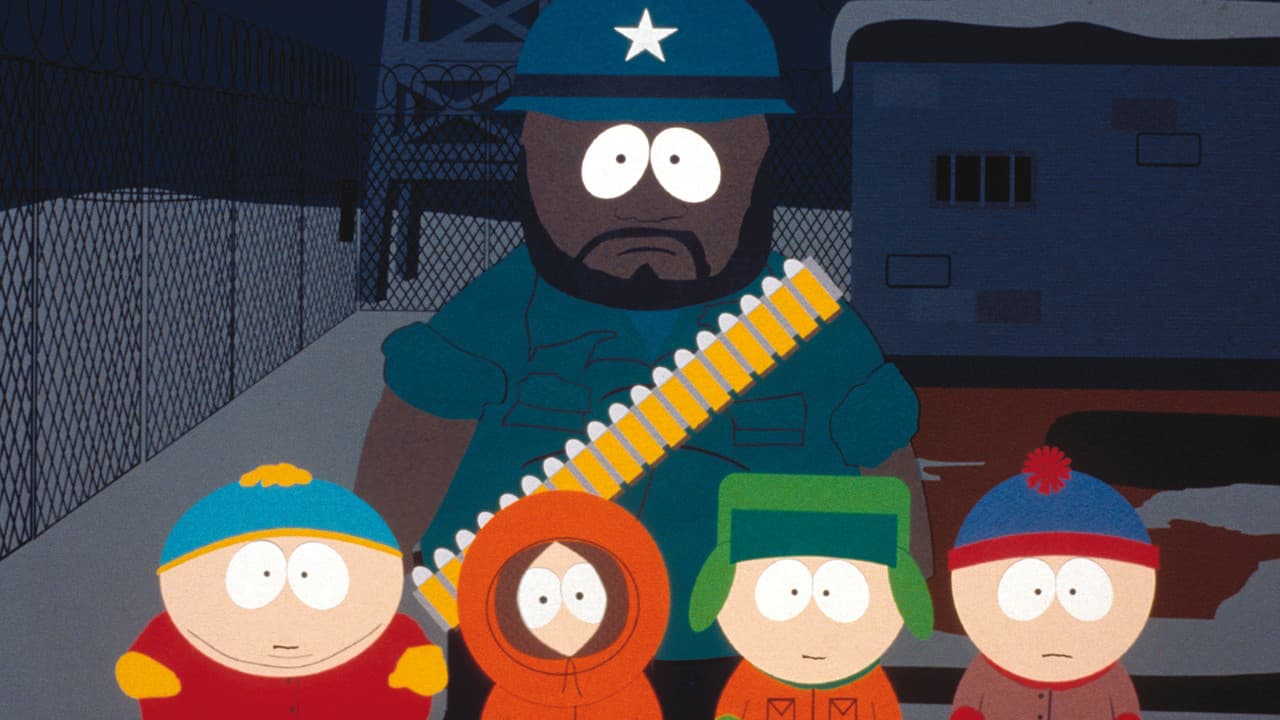
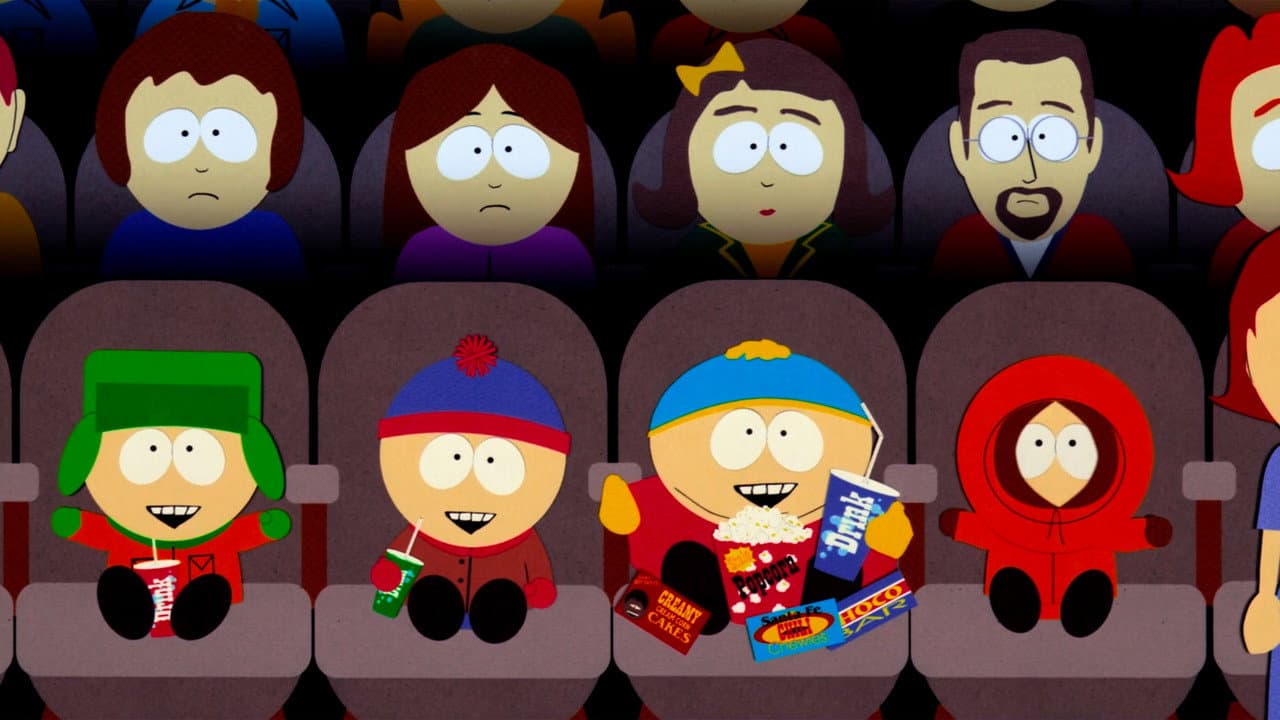
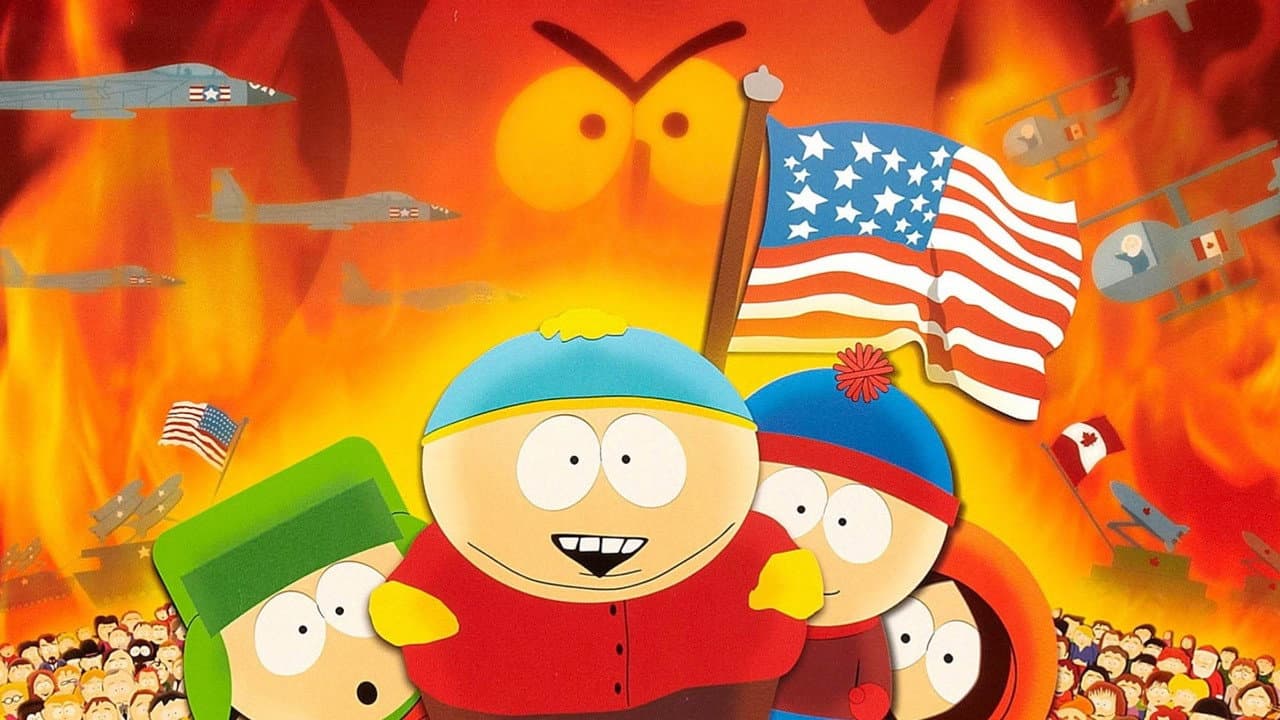
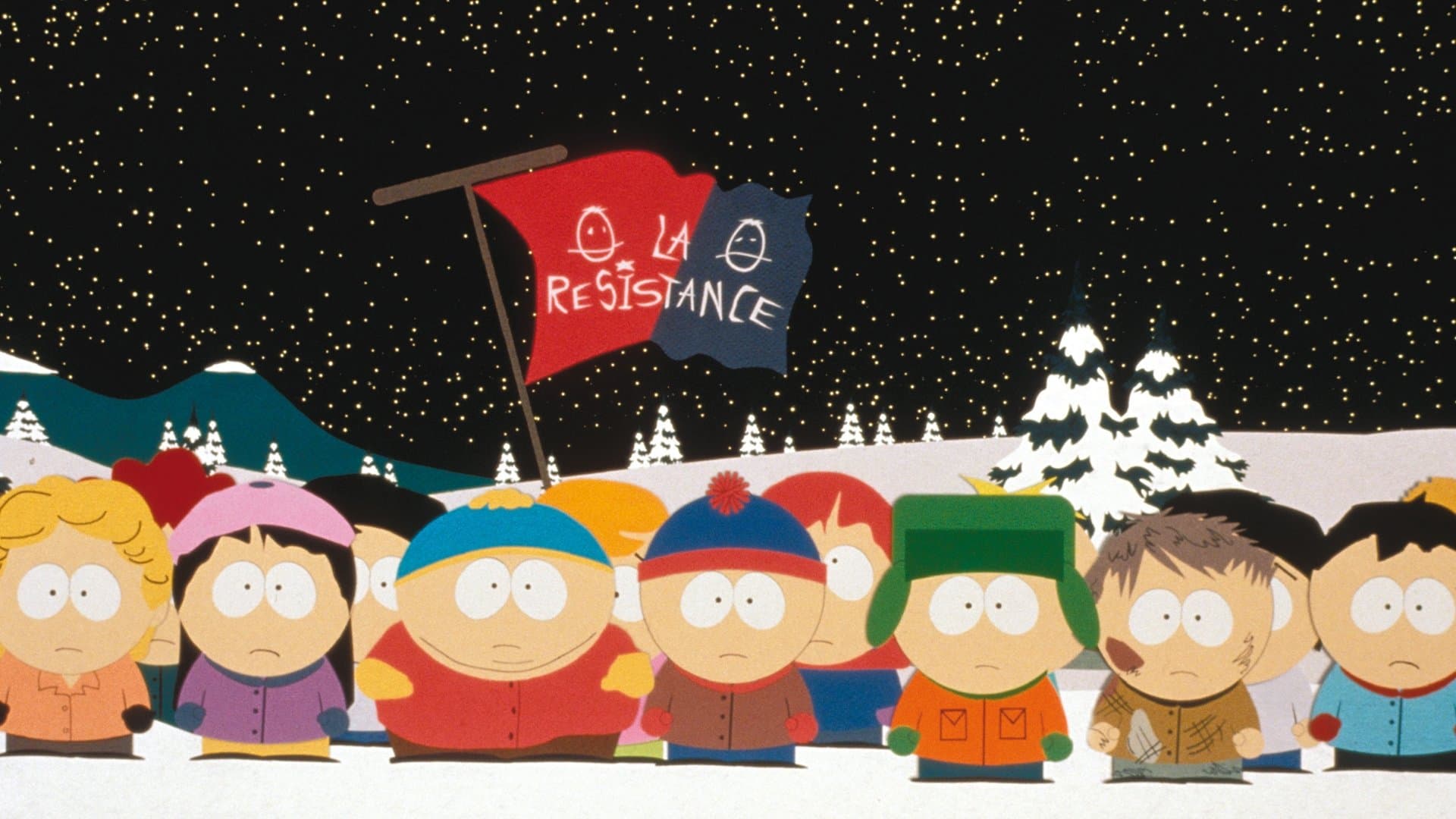
For those unfamiliar with the original film, South Park: Bigger, Longer & Uncut remains a cornerstone of animated comedy. The plot centers on the third-grade residents of the small Colorado town who sneak into an R-rated movie starring Canadian shock-comics Terrance and Phillip. The screening has immediate consequences: the kids pick up an array of filthy vocabulary that scandalizes their parents and teachers. What begins as local outrage over foul language spirals into a national censorship crusade, and before long, the controversy escalates into a full-throated call for war against Canada. Terrance and Phillip wind up on death row, leaving Stan, Kyle, Cartman, and Kenny as their only conceivable rescuers.
Released on June 24, 1999, the picture was directed by Parker, who also delivered a dizzying array of voice performances, including Stan Marsh, Eric Cartman, Mr. Garrison, Randy Marsh, and numerous others. Matt Stone, his longtime collaborator, voiced Kyle Broflovski, Kenny McCormick, and, notably, Terrance Henry Stoot, as well as a host of supporting characters. The original cut ran a brisk 81 minutes, a tight runtime that worked in the film’s favor given its relentless barrage of musical numbers and satire. The movie’s critical and audience reception has remained solid over the decades, with the picture holding a 7.3 out of 10 rating on TMDb, a measure of its staying power among animation buffs and comedy devotees alike.
The sequel has been a topic of speculation for years, with Parker and Stone periodically dropping hints about a new feature. Early reports suggested a musical format again, potentially pairing the duo’s love of Broadway pastiche with Lamar’s distinct voice and lyrical edge. Lamar’s involvement was announced with considerable fanfare, but concrete developments have been sparse since then. The apology to Paramount is telling, as it implies that contractual milestones or release windows have been missed, leaving the studio waiting on promised deliverables.
Parker and Stone have never been shy about their chaotic production approach, often cutting episodes of the TV series dangerously close to air dates. That same energy, however, is less forgiving when applied to a feature-length endeavor with a high-profile collaborator. The pair’s public mea culpa reads like a recognition that their spontaneous style, while effective for weekly television, does not always translate to the longer timelines and bigger budgets of movie studio expectations.
For Lamar, the delay likely interrupts a packed schedule of touring and other creative commitments. The rapper has consistently shown a willingness to experiment outside of music, with acting roles and production work under his belt. His appeal to South Park’s creators probably lies in his sharp social commentary, an element that has always been central to the show’s identity. Whether the project will ultimately lean into his observational wit or take a more musical route remains unconfirmed, but the recent statement suggests the partnership has not soured.
Paramount, for its part, has remained publicly silent since the apology surfaced. The studio has had a long and profitable relationship with Parker and Stone, distributing not only the original feature but also a series of made-for-streaming specials. Those shorter projects have been delivered with more consistency, which makes the stalled sequel stand out as an anomaly. Industry insiders have noted that the specials may be easier to manage because they do not require theater-level marketing campaigns or the coordination of international release dates.
Observers have also pointed out that the apology feels like a transparency move, aimed at resetting expectations before whispers of a scrapped project grow too loud. By reiterating belief in the concept, the creators are staking a claim that the work is worthwhile even if the process has been arduous. They stopped short of offering a new timeline, however, leaving audiences to wonder when, or if, the picture will ever see the light of a theater projector.
For now, fans of both South Park and Lamar will have to patient. The original film’s legacy is secure, and any sequel carries the weight of matching its predecessor’s anarchic energy. Parker and Stone have proven they can still provoke and entertain, as their recent television outings demonstrate. Whether they can channel that spark into a movie-worthy narrative with Lamar’s help remains to be seen. The apology suggests that they want to try, and that they are aware of the debt of trust they owe to the artist and the studio that have backed them. The next move, presumably, belongs to them.
Source: The Hollywood Reporter