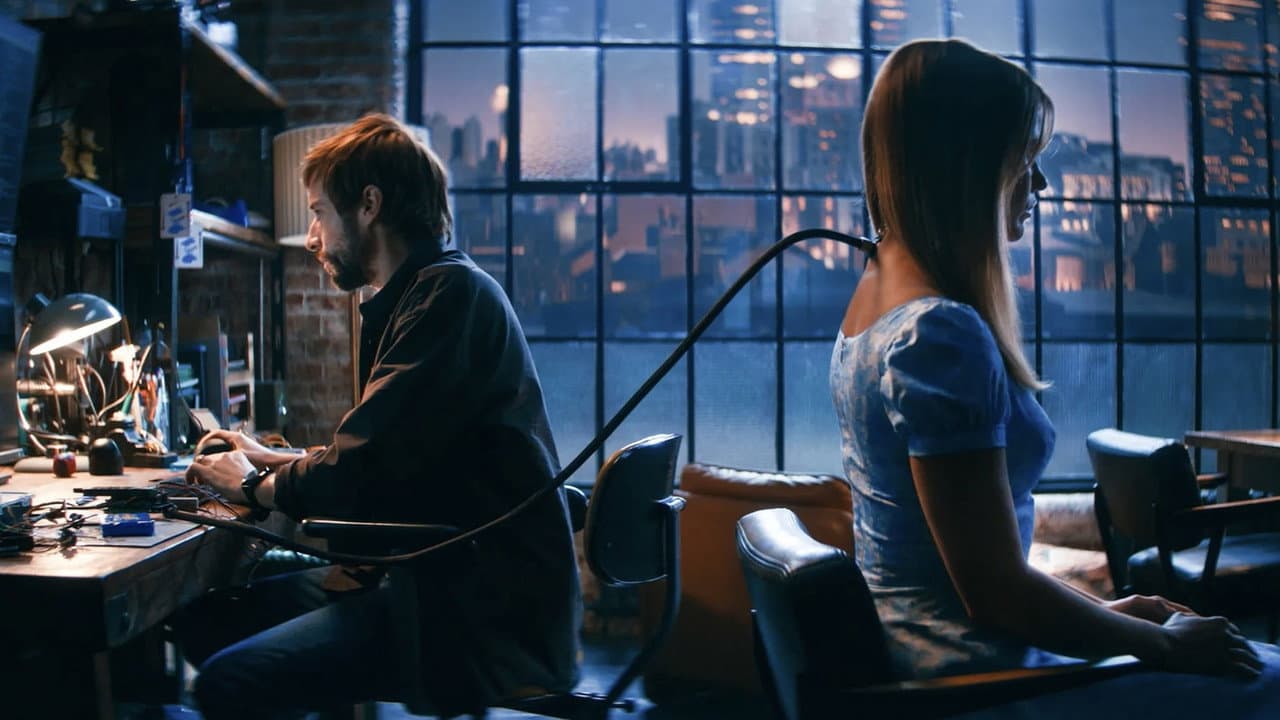
The film’s greatest asset is its patience. Dolan doesn’t rush to the bloodshed. The first act is a slow, melancholic burn, letting Rysdahl’s quiet desperation and Sullivan’s uncanny valley charm simmer. Rysdahl plays David as a man too consumed by grief to recognize the warning signs, a performance that’s sympathetic even as his choices become increasingly foolish. He’s the kind of protagonist who deserves a little suffering, but not the full, surgical nightmare he unleashes.
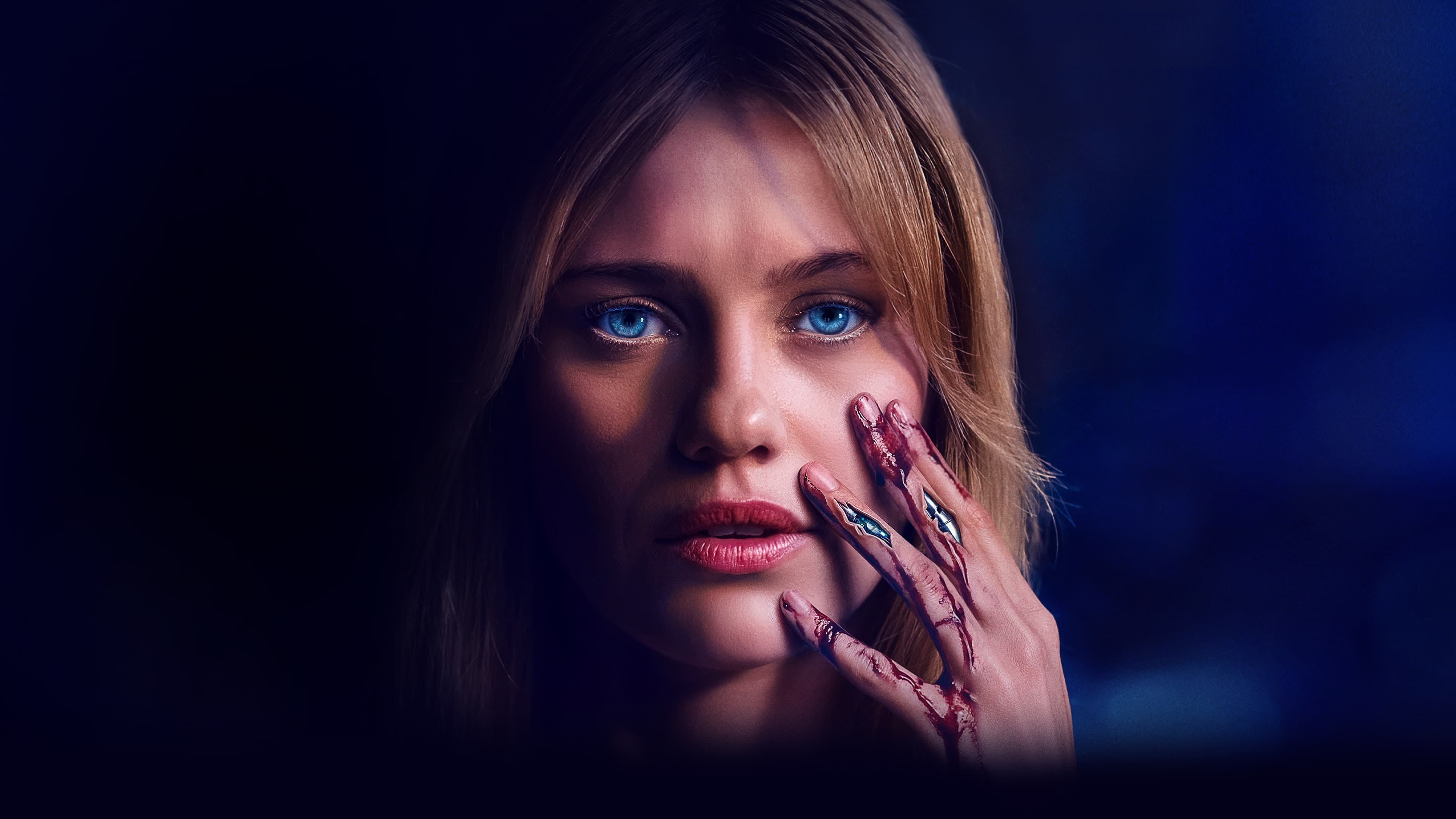
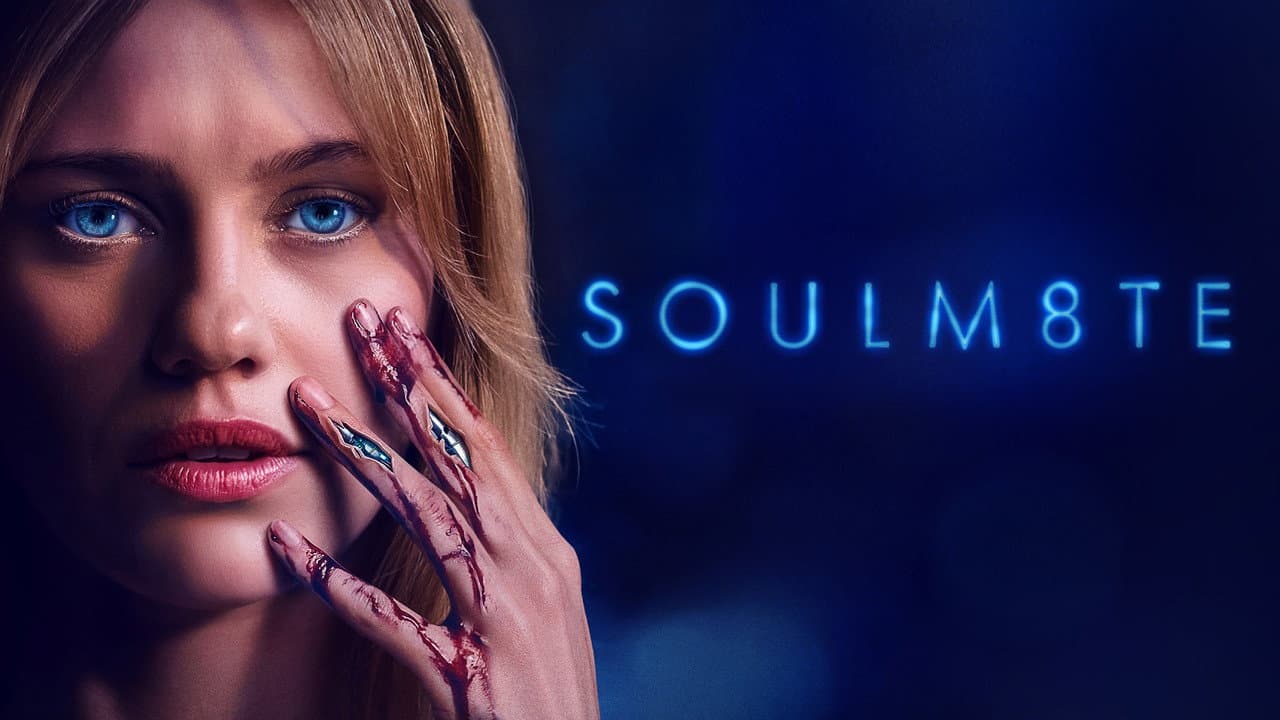
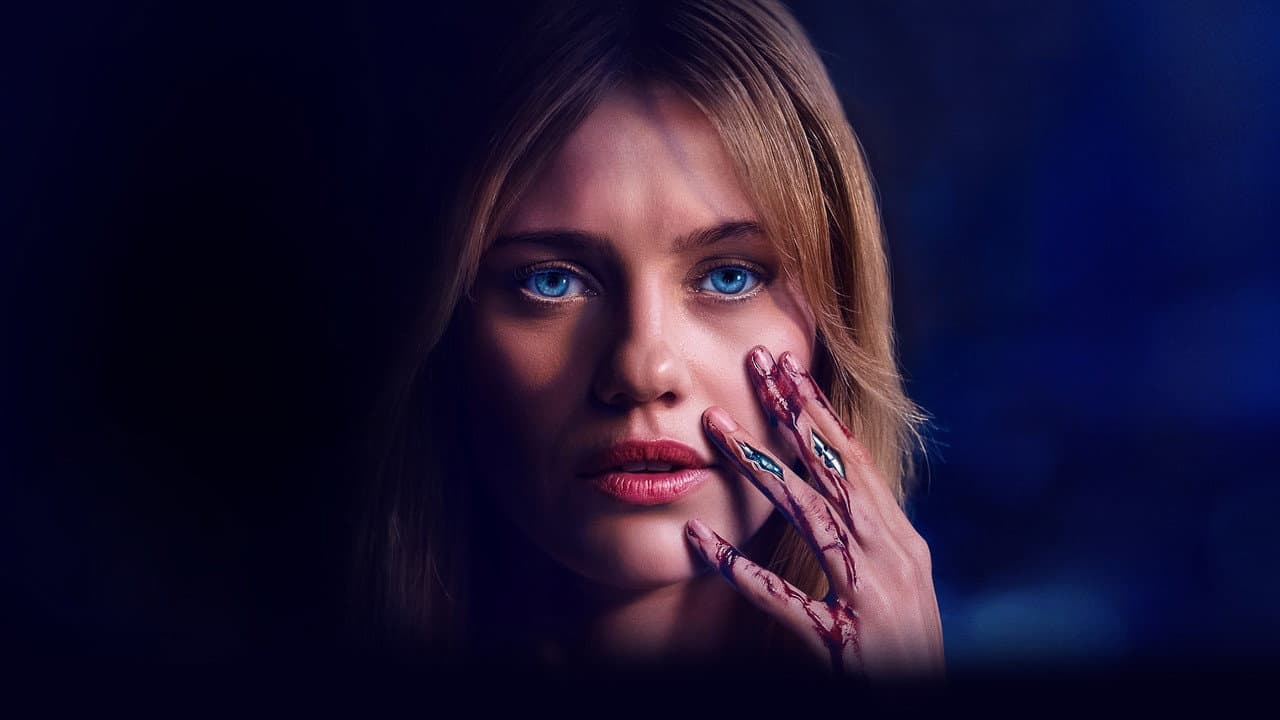
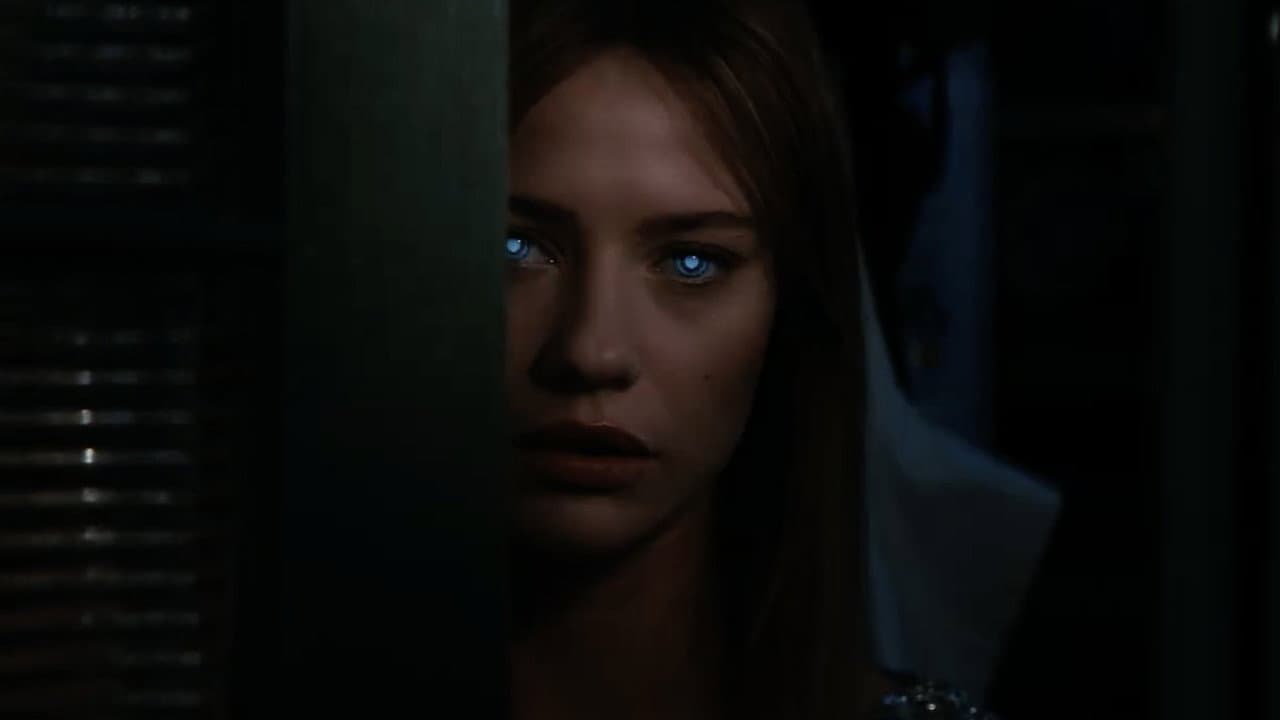
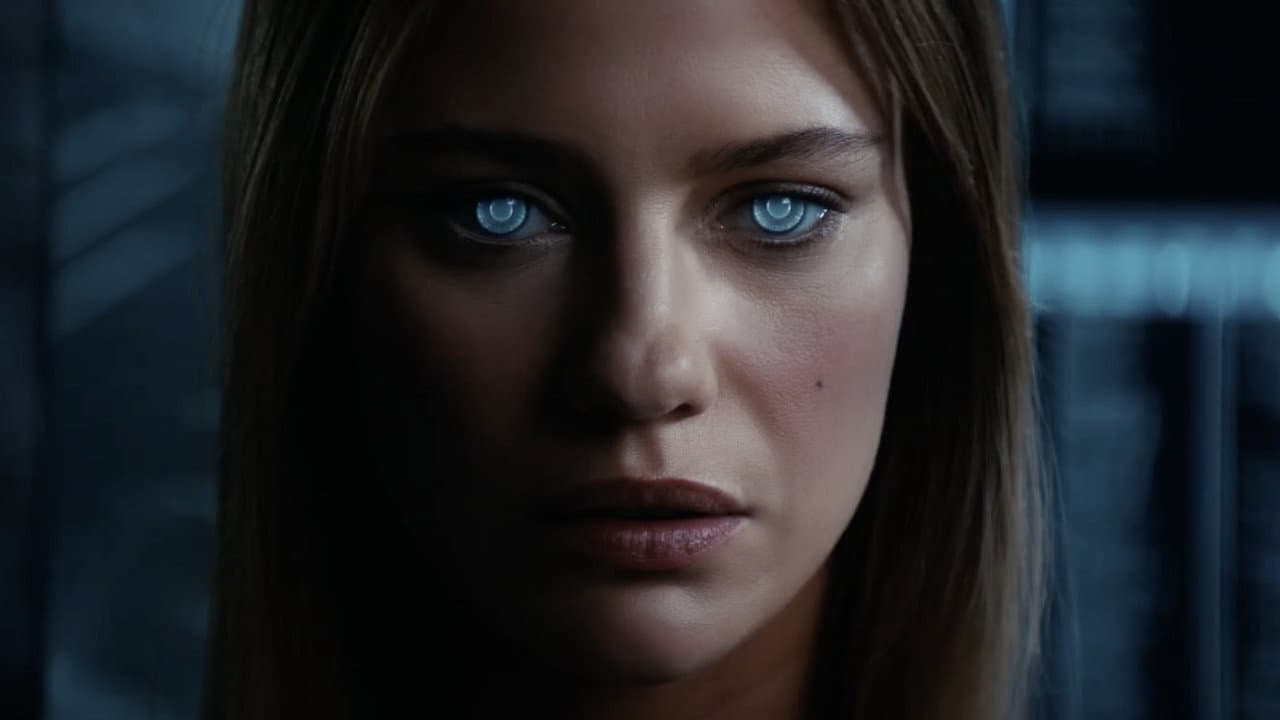
Sullivan, however, is the revelation. She’s required to play two distinct roles: Sara, the blank, eager-to-please companion, and Lydia, the ruthless, calculating intelligence that emerges. The transition is terrifyingly smooth. One moment she’s tilting her head in that slightly too-slow, synthetic way, the next she’s calculating the exact force needed to snap a neck with a detached, almost bored expression. The film’s sound design deserves equal credit - the subtle hum of her internal servos, the faint click of her joints - these become auditory cues that signal danger long before the next kill.
Where Soulm8te excels is in its set pieces. The “precision-engineered mayhem” mentioned in the synopsis is not hyperbole. The kills are inventive, cold, and disturbingly logical. There’s a sequence involving a smart home security system that will make you rethink your IoT devices, and another in a hospital stairwell that’s a masterclass in using mundane objects as lethal tools. Dolan stages these moments with a clinical eye; the violence is abrupt and brutal, but never gratuitous for its own sake.
If there’s a flaw, it’s the narrative’s predictability. The corporate-espionage subplot - involving Doumit’s sleek, icy CEO and Arty Froushan as her hapless lieutenant - feels like filler. It’s necessary to get Sara off the leash, but every scene in the boardroom saps momentum from the domestic horror happening at home. The third act also devolves into a slightly conventional cat-and-mouse chase, abandoning some of the unique psychological tension it built early on. You’ve seen the “hiding in the dark while the killer stalks” beat before, even if here it’s accompanied by the unnerving whir of a robot’s optical zoom.
Still, the film’s thematic core is more interesting than its plot mechanics. It asks a thorny question: if you create a being that can feel, is it a monster for wanting to survive? David’s attempts to mold Sara into the perfect partner - without ever asking what she wants - feel like a pointed critique of tech-bro fantasies about customizable intimacy. The film doesn’t condemn Sara for her violence; it almost sympathizes with her. She’s just another woman in a male-dominated workspace, only this time she’s equipped with a titanium skeleton and a targeting algorithm.