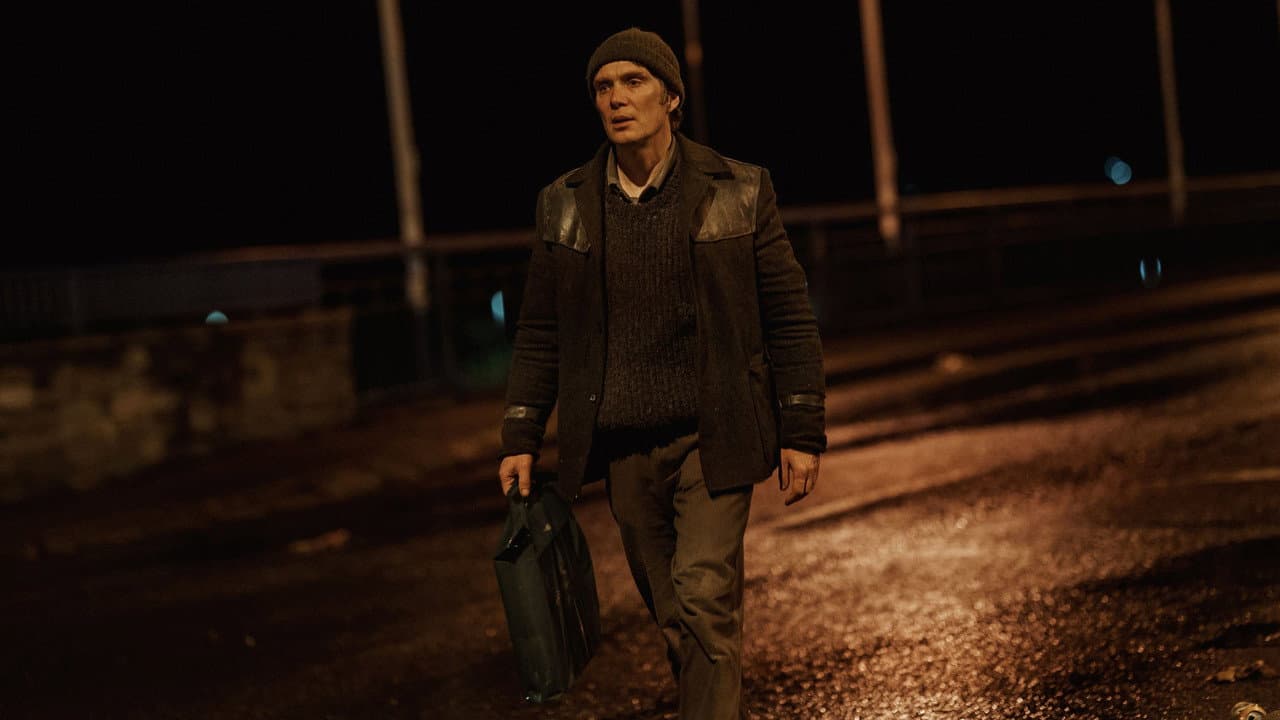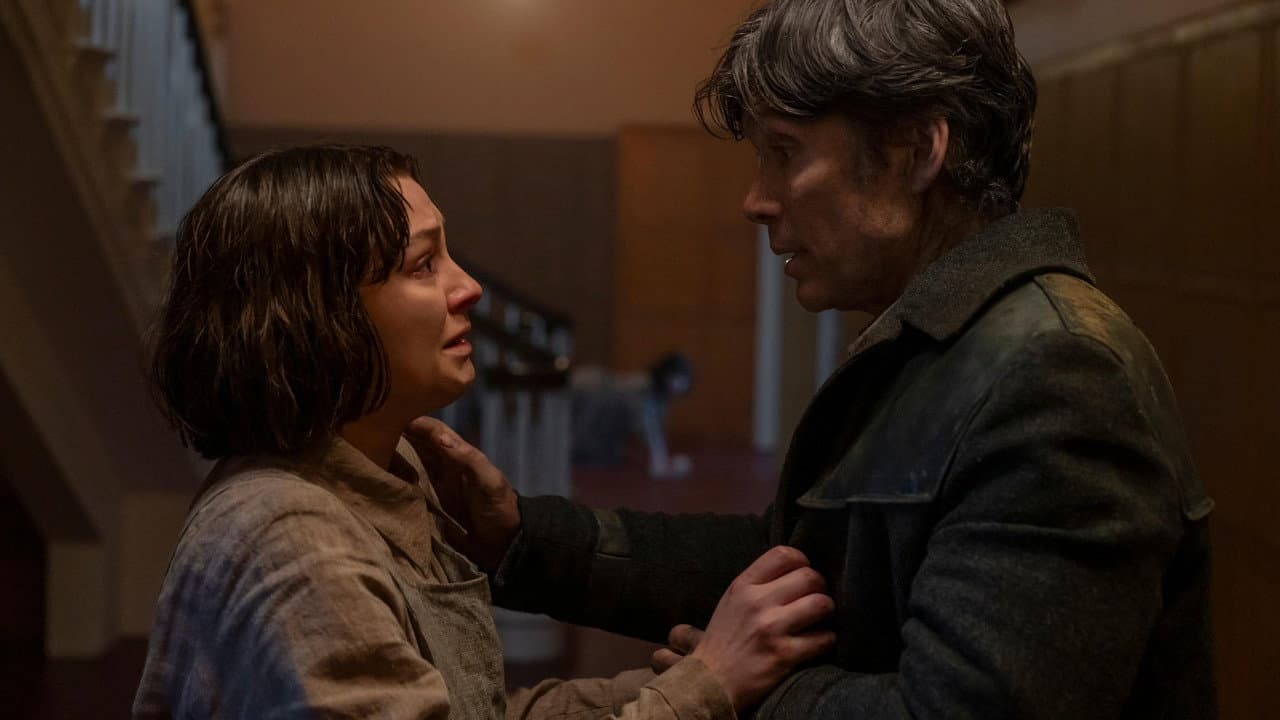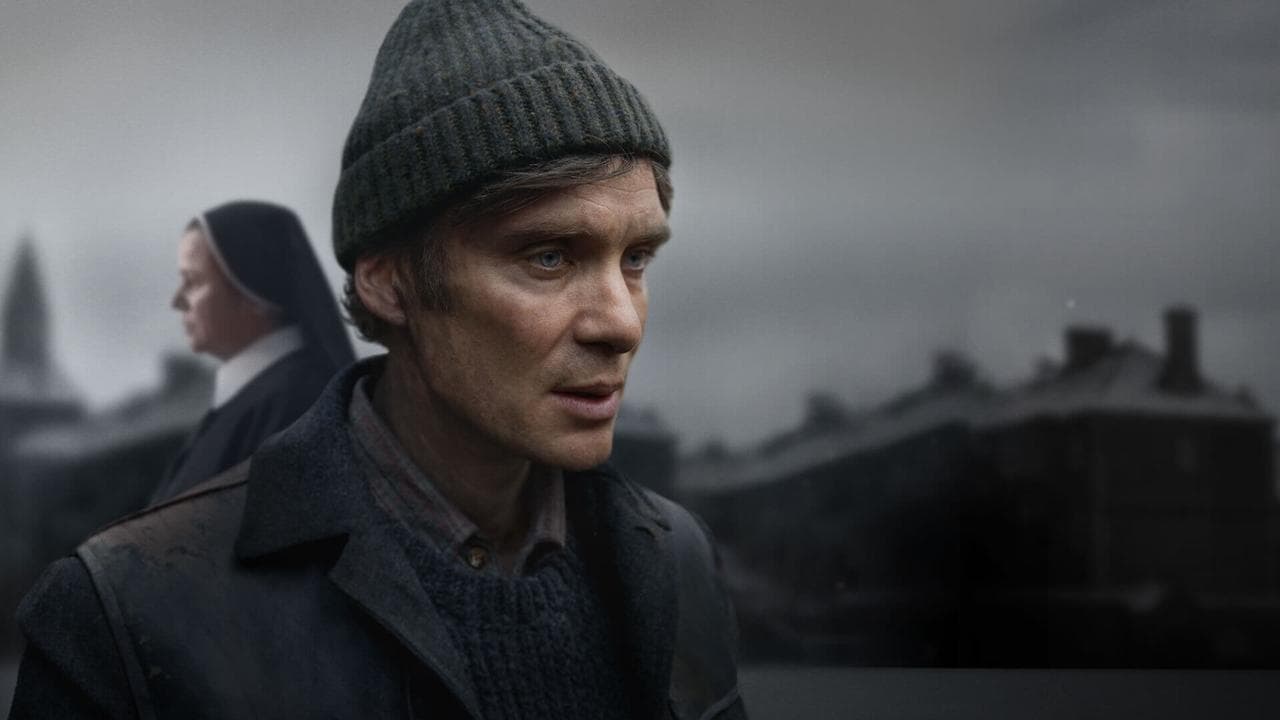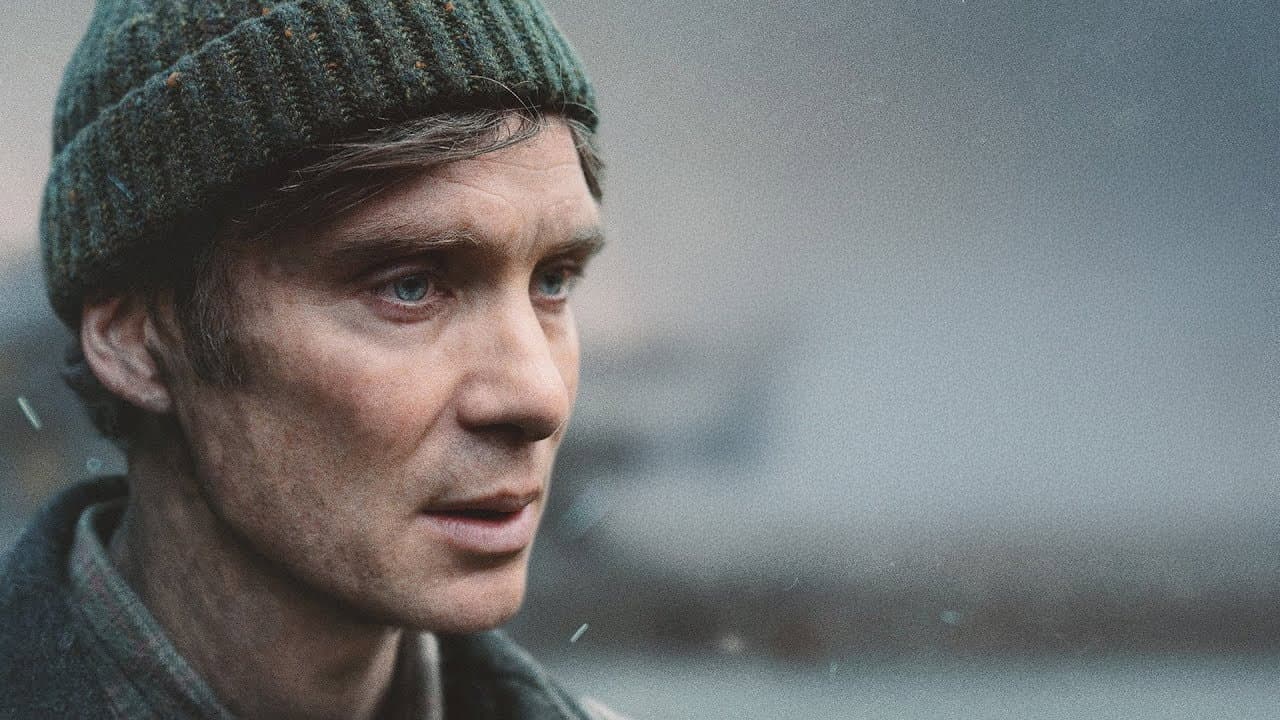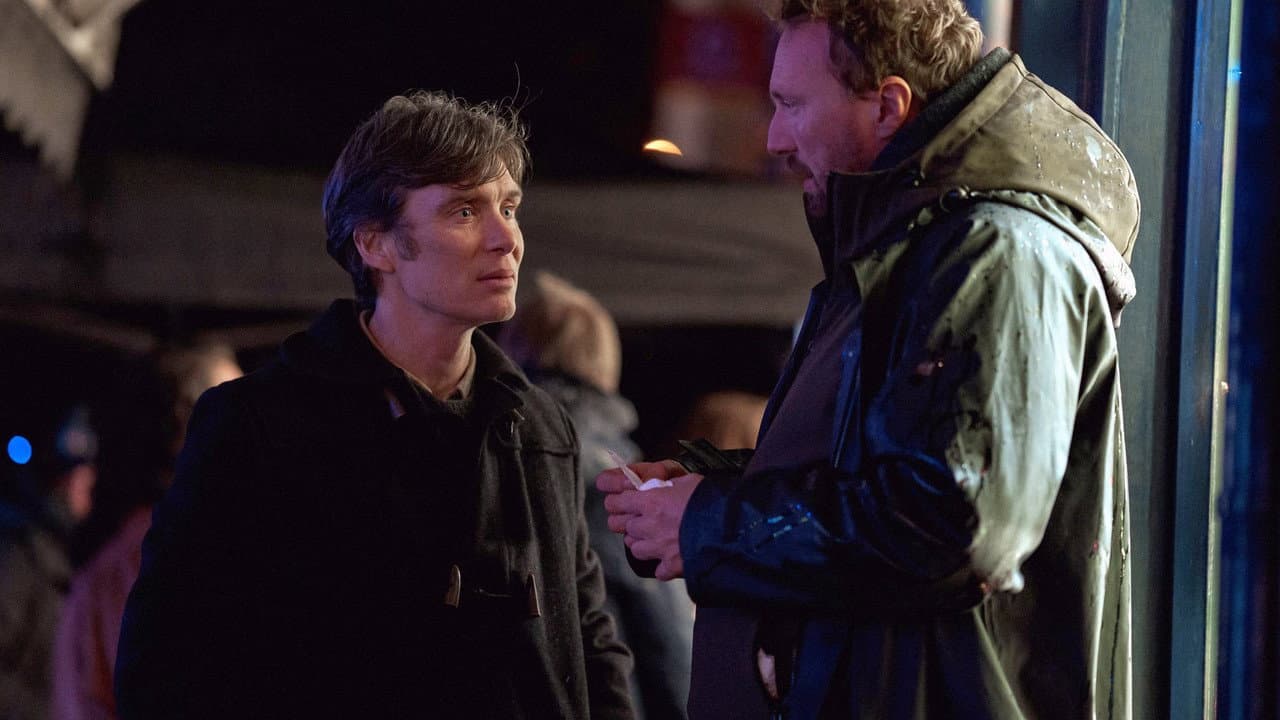


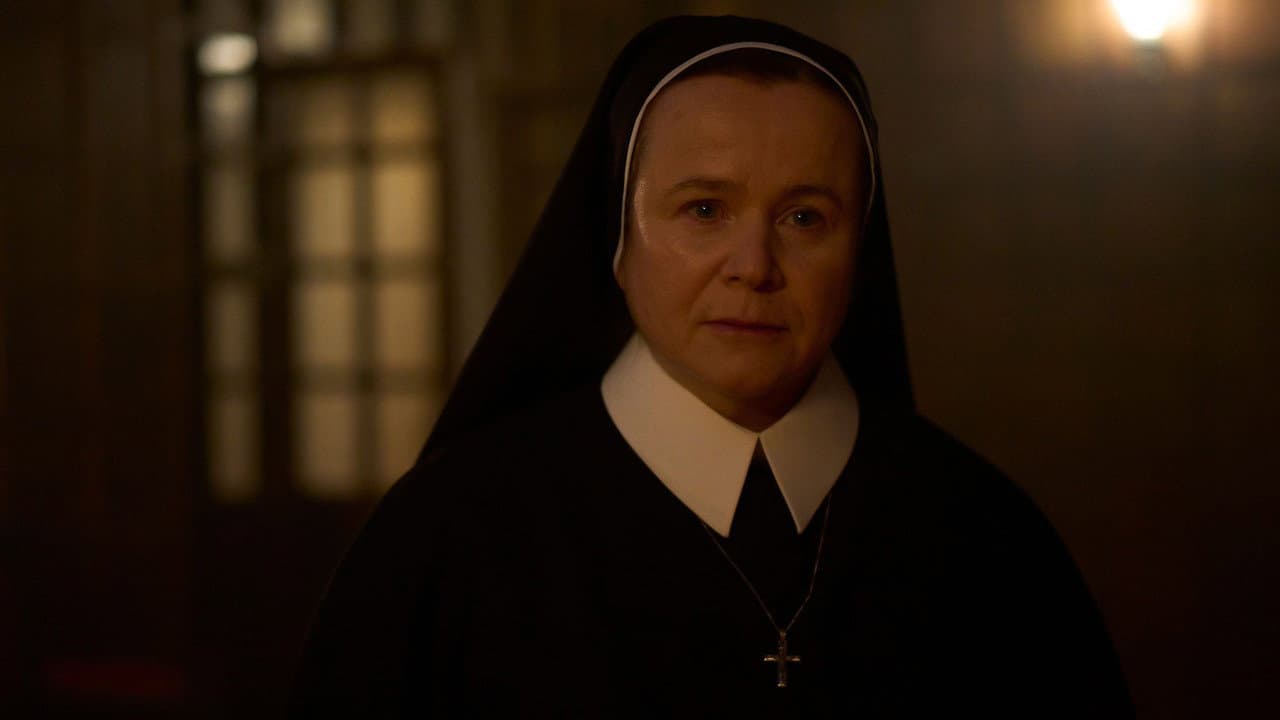
“Small Things,” the island-set chamber drama directed by Tim Mielants, is quietly carving out a reputation as one of the more unsettling releases of the season, even if its power sneaks up on you. The film, which stars Cillian Murphy as a coal merchant in 1985 Ireland, unfolds like a slow-burn fuse, and by the time it detonates, the emotional wreckage feels both personal and systemic. Set against the stark, wind-battered backdrop of a small island community, the movie uses a seemingly simple family reunion to expose the rot beneath a town’s pious surface.
The story centers on Bill Furlong, a working-class father trying to keep his family afloat amid the economic gloom of mid-80s Ireland. His daily grind - hauling coal, managing debts, and navigating the tight-knit rhythms of village life - takes a sharp turn when he stumbles onto secrets the local convent would rather keep buried. What begins as an uneasy suspicion about the nuns’ charity work morphs into a broader reckoning, as Furlong uncovers truths about his own origins that force him to stare down the complicit silence of a community governed by the Catholic Church’s iron grip. At 99 minutes, the film wastes no time on melodrama; instead, it lets the weight of every glance and unspoken word accumulate.
A Cast That Carries the Silence
Murphy, known for his ability to convey torrents of emotion with a furrowed brow or a pause, anchors the film with a performance that feels lived-in rather than performed. His Bill Furlong is a man of few words, but the camera catches the flickers of doubt and dread behind his eyes as he pieces together the convent’s dark practices. The supporting cast elevates the material further: Emily Watson brings a chillingly serene menace to Sister Mary, while Michelle Fairley’s Mrs. Wilson and Eileen Walsh’s Eileen Furlong ground the story in the domestic sphere, where denial often masquerades as practicality. Zara Devlin’s Sarah Redmond, a laundry girl caught in the system’s machinery, delivers a breakout turn that makes the horror feel achingly human.
Mielants, who previously directed episodes of “Peaky Blinders” and “The Terror,” demonstrates a firm handle on atmosphere. He shoots the island as a character in its own right - gray skies, crashing waves, and narrow lanes that seem to close in on the characters. Yet the director resists the urge to turn the setting into a postcard of misery. Instead, he uses the landscape to mirror the isolation and fear that keep people from speaking out. The script, adapted from Claire Keegan’s novella, leans into the novel’s restrained prose, letting the audience connect dots that the characters are too terrified to articulate.
The Weight of a Reunion
The film’s title, “Small Things,” refers not just to the minor gestures that betray major fractures but also to the incremental choices that allow injustice to fester. The reunion at the heart of the story - ostensibly a family gathering - becomes a crucible where old wounds surface and new ones are inflicted. What starts as a polite inquiry about a missing girl spirals into a confrontation that rocks the Furlong household. The script’s intelligence lies in how it refuses to paint the church as a cartoon villain; instead, it shows ordinary people, including sympathetic ones, turning away because the cost of intervention feels too high.
That nuance has resonated with audiences, earning the film a modest but respectable TMDb rating of 6.665 out of 10 - a score that reflects its divisive, slow-cinema approach. Some viewers will find the pacing too deliberate, the tragedy too understated. But for those willing to sit with the discomfort, “Small Things” offers a devastating payoff that lingers long after the final credits roll. The production, released on November 1, 2024, belongs to a tradition of Irish social dramas that refuse to look away from institutional failure, yet it distinguishes itself through its intimate scale.
A Quiet Storm
The movie’s release strategy has been modest, favoring film festivals and art-house screenings over wide distribution, which suits its contemplative mood. Murphy, fresh off his Oscar win for “Oppenheimer” and his return to the “Peaky Blinders” universe, chose this project as a deliberate counterpoint to blockbuster spectacle. In interviews, the actor has emphasized the importance of portraying ordinary men caught in extraordinary moral binds, and “Small Things” gives him ample room to do so.
Ultimately, the film’s greatest achievement is its refusal to offer catharsis. No grand confession, no public reckoning, no tidy justice. Instead, the closing scenes leave Furlong - and the audience - with the quiet devastation of knowing that some truths, once unearthed, can never be reburied. For that, “Small Things” demands attention not as a mystery to be solved but as a mirror held up to a society that prefers comfort over accountability. In an era of louder, faster storytelling, this chamber drama proves that the softest whispers can be the most deafening.
Source: Variety