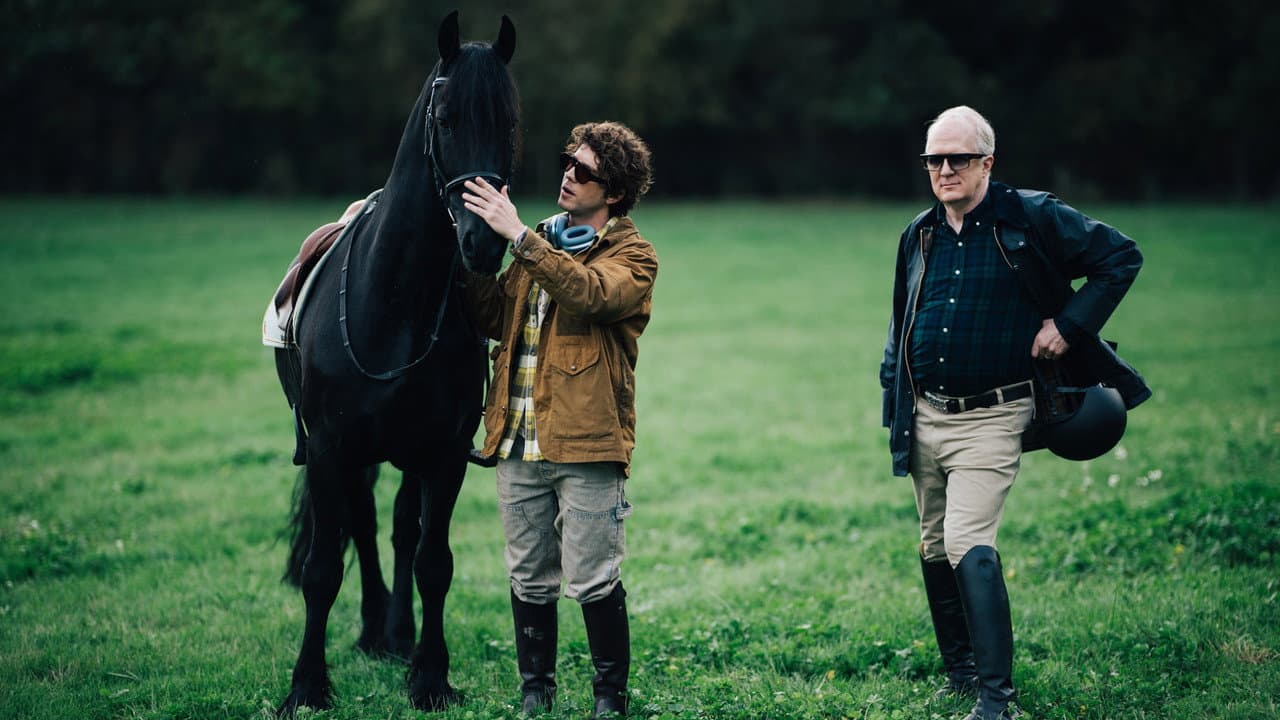
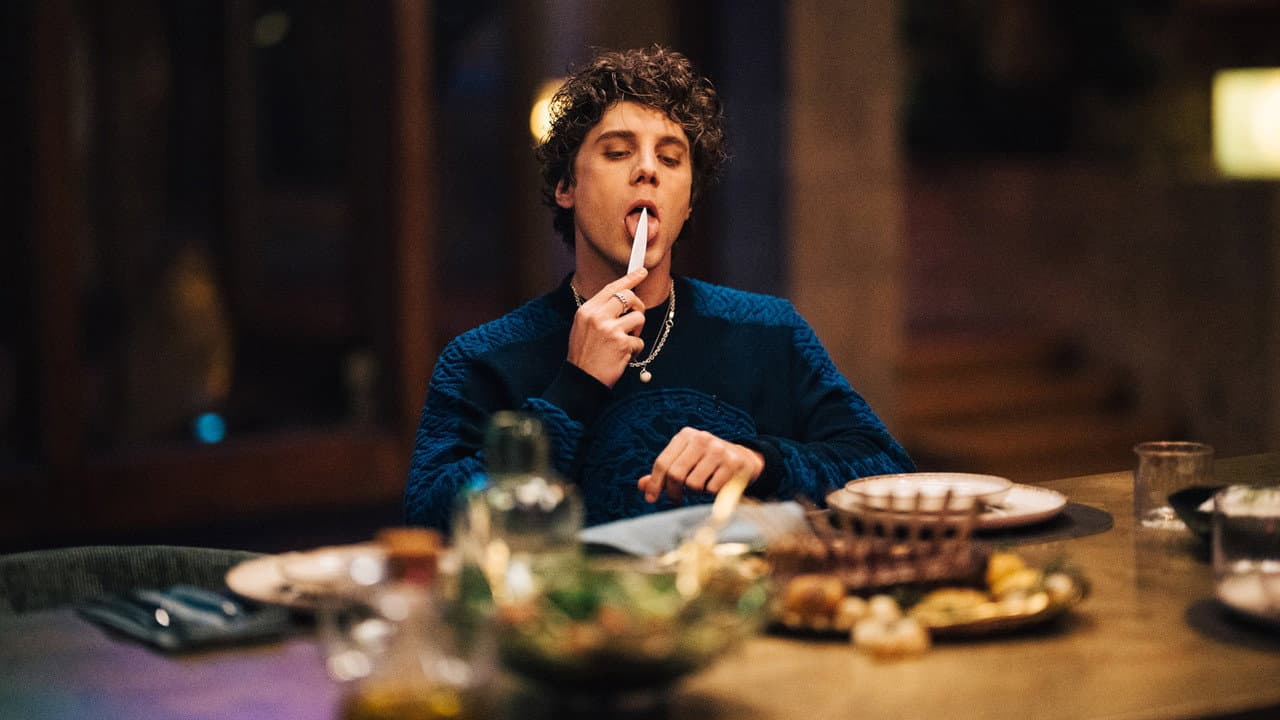
The sun-scorched Spanish villa in Karim Aïnouz’s Rosebush Pruning is a gorgeous tomb. It’s the kind of place where the light pours in through wrought-iron grilles and paints long, accusatory shadows across marble floors. You can almost smell the dust and the decay of old money. But don’t let the sun-drenched vistas fool you. This is not a holiday. It’s a family reunion, and as the film’s logline suggests, those rarely end well.
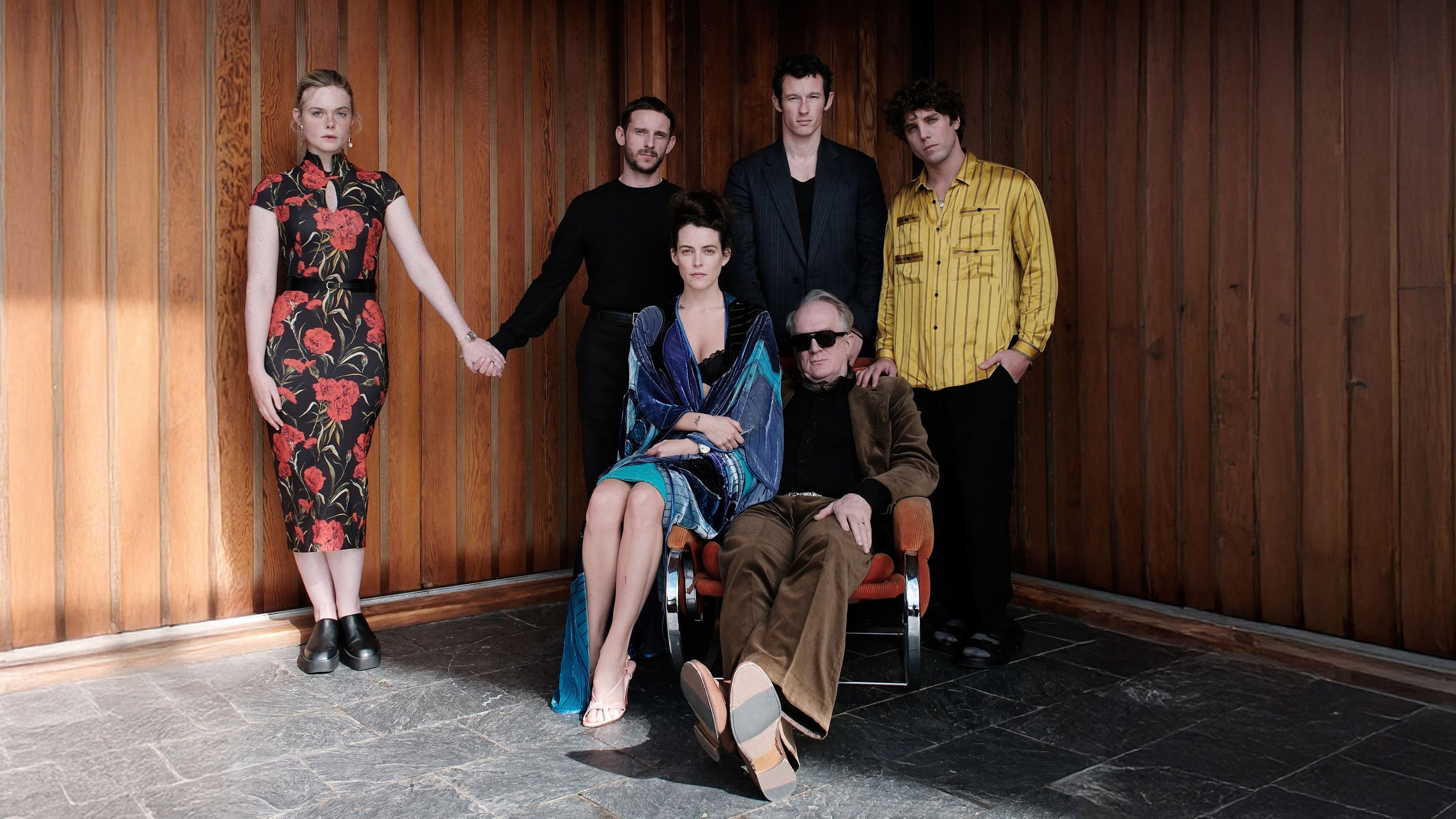
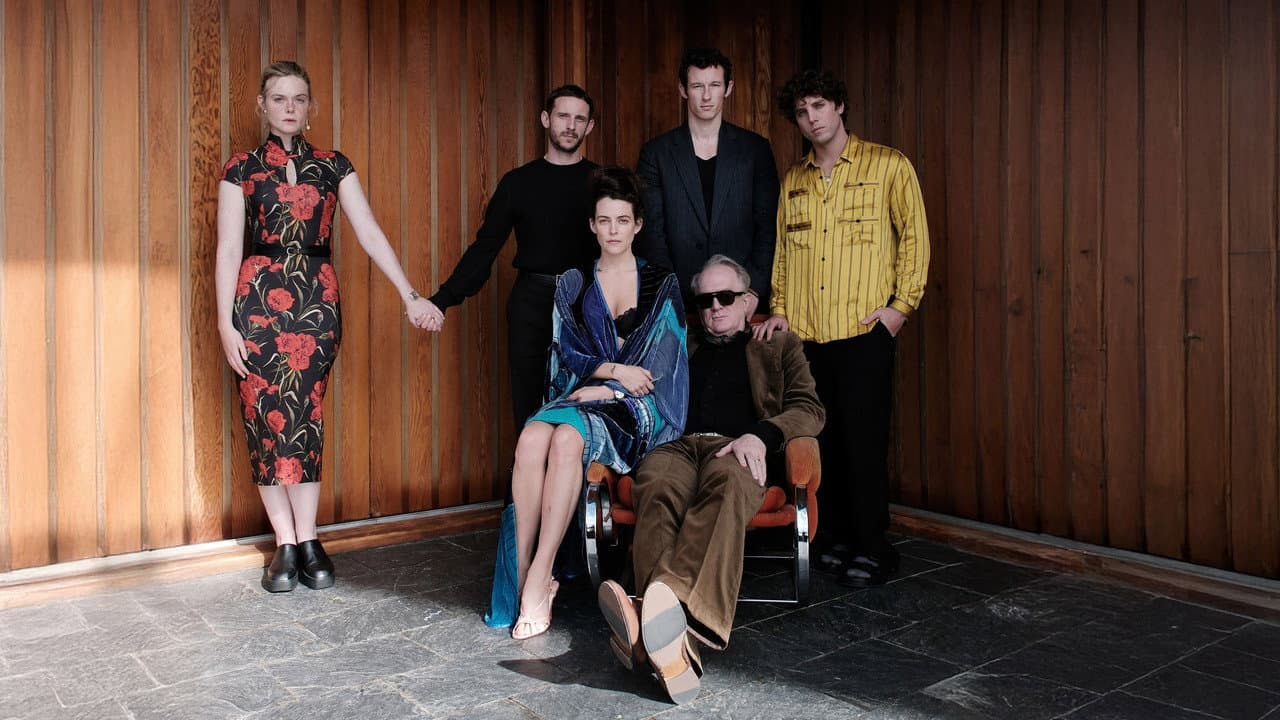
Released this past April to a modest but lingering buzz, the film - a strange, intoxicating hybrid of comedy, drama, and thriller - has found a second life on streaming, and it’s the kind of puzzle box that begs for dissection. Aïnouz, the Brazilian director known for the sensuous dread of The Silver Cliff and the historical sweep of Firebrand, here turns his lens on four American siblings marooned in their own inherited privilege. Callum Turner, Riley Keough, Jamie Bell, and Lukas Gage are the adult children who have apparently decided that the best way to manage their fortune is to do absolutely nothing with it. They wallow.
The setup is simple, almost Chekhovian. They are waiting. For what, exactly, is unclear - perhaps for a reason to leave, or for the emotional inertia to shatter. The catalyst arrives in the form of two revelations. The first is Jack (Bell), who, in a fit of uncharacteristic ambition, announces he wants to move in with his girlfriend. This is treated by the others not as a life milestone but as a betrayal of the family’s unspoken contract of mutual misery. The second, far more dangerous, is Ed’s (Turner) quiet investigation into their mother’s death. The official story was an accident, but Ed digs. And what he finds is a splinter that gets under the skin of the entire household.
What makes Rosebush Pruning so disarming is its refusal to commit to a single tone. It shifts with the unnerving ease of a sibling shifting blame. One moment, you’re watching Keough’s Anna deliver a pitch-black monologue about the logistics of their inherited real estate with the deadpan timing of a stand-up comic. The next, you’re plunged into a sequence of pure Hitchcockian anxiety as Tracy Letts’s Father - a spectral presence who seems to speak only in riddles and recriminations - gazes at his children with the hollow disappointment of a man who has already written them off.
Aïnouz has assembled a cast that feels like a genuine, volatile ecosystem. Turner’s Ed is the film’s moral center, but it’s a wobbly center; his righteousness is tinged with the thrill of the hunt, the adrenaline of discovery. Bell’s Jack is all manic desperation, a man who wants out but is terrified of the jump. And Keough is a revelation, channeling a brittle, sun-addled intelligence that keeps you guessing whether she is the family’s only sane member or the one who has been broken the most exquisitely.
The film’s secret weapon, however, is the elder generation. Pamela Anderson, in a role that trades her bombshell persona for something more spectral and tragic, appears as the Mother. She is the ghost at the feast, glimpsed in flashbacks that are hazy and sun-bleached, a woman whose death is less a mystery than a wound that refuses to close. Elle Fanning’s Martha, meanwhile, exists in the periphery, a visitor who observes the family’s unraveling with the detached fascination of a nature documentarian. She is the audience’s surrogate, the one person in the room who realizes that the beautiful roses around the villa are, in fact, growing over a rotten foundation.
If there’s a flaw in the intricate rosebush, it’s that the film’s third act, while tense, occasionally strains for a catharsis that feel more theatrical than earned. The thriller mechanics click into place a little too neatly, and the resolution to Ed’s investigation, while satisfying, lacks the gut-punch ambiguity of the film’s earlier, messier scenes of family dysfunction. The TMDb rating of 6.5 feels right - it’s a film to be admired and wrestled with, not necessarily to love unconditionally.
But there is something undeniably magnetic about watching wealth curdle. The film’s 99-minute runtime is lean, but it leaves a lingering aftertaste of dread. It asks a question that is uncomfortably relevant in an age of inherited advantage: what do you do when you have everything, and the only thing left to do is look at each other? The answer, according to Aïnouz, is that you prune. You cut away the dead branches, sometimes taking the living with them. The result isn’t pretty, but it is riveting. Rosebush Pruning is a beautifully poisoned valentine to the families we are stuck with, and the truths that can tear them apart.